

Views: 0 Author: Site Editor Publish Time: 2026-09-06 Origin: Site


Many buyers remain highly skeptical about the comfort of winter footwear. Traditional winter boots are notorious for feeling heavily weighted, unnecessarily rigid, and exhausting to wear over long distances. You might even dread the freezing season simply because of the clunky footwear it usually demands. Fortunately, modern manufacturing has completely changed the reality of cold-weather footwear. Advanced synthetic materials now successfully bridge the gap between extreme thermal protection and true biomechanical comfort. You no longer have to sacrifice your foot health or agility just to stay warm in sub-zero temperatures. This article provides a practical, easy-to-follow framework for evaluating your next pair of boots. We will closely explore boot anatomy, modern insulation technology, and specific winter use cases. By the end, you will know exactly how to find the perfect blend of warmth, support, and mobility.
Comfort in snow boots is a direct trade-off between thermal mass (insulation) and biomechanical mobility.
Blindly "sizing up" for thick socks is the leading cause of heel slippage, blisters, and perceived discomfort.
"Pac boots" excel in static cold environments but cause rapid fatigue during active walking; winter hiking boots offer better ergonomic support for movement.
High-quality EVA midsoles and synthetic insulations (like Thinsulate) have largely replaced heavy rubber and thick felt, drastically reducing boot weight.
To understand winter footwear comfort, we must first address the problems plaguing traditional designs. Legacy winter boots often feel clunky and unmanageable. Manufacturers originally prioritized absolute weatherproofing over human biomechanics. They used dense vulcanized rubber outsoles. They inserted rigid steel shanks to prevent puncturing and water intrusion. They relied on heavy, dense felt liners for warmth. These legacy choices force a flat-footed, unnatural walking gait. They completely restrict the natural rolling motion of your foot.
You must evaluate your footwear based on static warmth versus dynamic mobility. Comfort is entirely subjective and depends on your activity level. A boot designed for standing motionless in deep snow represents a static use case. It requires maximum thermal mass. This boot will inherently feel cumbersome when walking three miles. Conversely, dynamic use cases generate body heat. A dynamic boot requires less insulation but demands high flexibility. If you wear a static boot for a dynamic activity, your feet will quickly overheat and fatigue.
Weight directly influences perceived comfort and leg fatigue. Biomechanical studies consistently show a harsh reality about footwear weight. Adding just a few ounces to your feet disproportionately increases your energy expenditure. Lifting a heavy boot repeatedly over several miles creates a pendulum effect. This strains your hip flexors, knees, and calves. Reducing boot weight by migrating away from solid rubber bottoms significantly improves long-distance comfort.
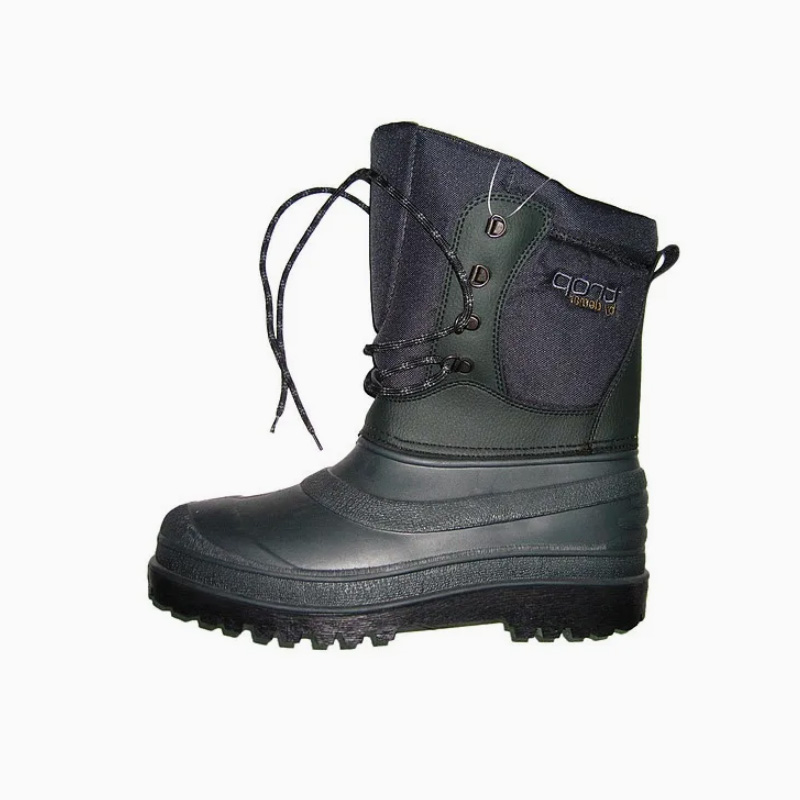
The midsole acts as the suspension system for your foot. It sits between the rugged outsole and the inner footbed. Traditional designs rely on vulcanized rubber bases. Vulcanized rubber is entirely waterproof and incredibly durable. However, it is also notoriously hard. It offers almost zero shock absorption. Walking on frozen pavement in solid rubber sends impact shocks directly into your joints.
Modern designs utilize EVA (ethylene-vinyl acetate) or polyurethane midsoles. EVA consists of thousands of microscopic air bubbles. It provides a cushioned, responsive feel similar to premium running shoes. High-quality snow boots now integrate these materials. This evolution eliminates the harsh impact of frozen terrain. It allows you to walk comfortably on hard ice without bruising your heels.
Insulation technology dictates both the warmth and the physical volume of a boot. Older designs favor dense, removable felt liners. Felt provides excellent insulation but requires a massive external boot shell. This bulk severely limits ankle articulation. It makes walking feel clumsy and labored.
Today, manufacturers use advanced synthetic microfibers. Materials like PrimaLoft or Thinsulate trap body heat within microscopic air pockets. They provide superior warmth at a fraction of the thickness. For example, modern men snow boots often use 200 to 400 grams of synthetic insulation. This creates a sleek, low-bulk profile. It drastically improves your mobility without compromising thermal protection.
Proper structural support prevents common winter injuries. Many cheap boots feature rigid ankle shafts. When you walk, these stiff materials repeatedly strike the front of your leg. This friction causes painful "shin-bang." A well-designed boot articulates at the ankle, matching your natural stride.
Furthermore, an internal heel-lock system is mandatory. Without proper locking, your heel lifts inside the boot with every step. This friction quickly causes severe blisters. Premium boots use contoured heel cups and strategic lacing angles. These elements lock your heel firmly into the footbed, preventing micro-movements and ensuring all-day comfort.
Choosing the right architecture prevents the majority of comfort issues. We can divide modern winter footwear into three distinct categories. You must align these categories with your daily reality.
Pac boots represent the traditional heavy-duty standard. They feature a thick rubber lower shell mated to a leather or nylon upper. They almost always include a thick, removable liner.
Comfort verdict: These boots are exceptional for sub-zero stationary tasks. If you are ice fishing or standing at a cold worksite, they offer unbeatable warmth. However, they cause rapid fatigue during long walks. They lack the ergonomic contouring needed for dynamic movement.
This category merges athletic footwear with extreme weather protection. These boots utilize a standard hiking boot chassis. Manufacturers add synthetic insulation, waterproof membranes, and aggressive winterized treads.
Comfort verdict: These provide the best overall comfort for foot health. They offer excellent arch support, precise lacing, and dynamic movement capabilities. They are ideal for shoveling, winter hiking, and active outdoor work.
Urban commuter boots prioritize convenience and style. They often feature slip-on designs or light lacing systems. The outsoles are highly flexible, and the insulation is generally moderate. Many stylish ladies snow boots fall perfectly into this category, balancing aesthetics with daily practicality.
Comfort verdict: They are highly comfortable for short, daily wear. They work perfectly for driving, walking to the office, or running errands. However, they lack the structural support necessary for prolonged outdoor exposure or hiking on uneven terrain.
Boot Architecture Comparison
Boot Type | Primary Profile | Best For | Ergonomic Comfort |
|---|---|---|---|
Pac Boots | Rubber shell, removable thick liner | Static, sub-zero tasks | Low (high fatigue on walks) |
Winter Hiking Boots | Athletic chassis, EVA midsole, synthetic fill | Dynamic movement, hiking | High (excellent arch support) |
Urban Commuter | Flexible sole, light insulation, slip-on | Daily errands, driving | Moderate (good for short wear) |
The most pervasive myth in winter footwear is the "thick sock" rule. Many buyers automatically purchase a size too large. They assume extra space will accommodate heavy wool socks. This practice destroys boot comfort. Excess volume prevents proper lacing tension. When the laces cannot clamp down on your foot, your heel lifts. This internal friction leads to brutal blisters and ankle instability.
Instead of automatically sizing up in length, you must focus on volume. Foot volume refers to the vertical height of your instep. If a boot feels tight, you likely need a wider size or a boot with higher instep volume, not a longer shoe. Parents frequently oversize kids snow boots to get an extra season of wear. This leads to clumsy walking patterns and high injury risks for children. Always buy the correct length and look for specific volume adjustments.
You must establish realistic expectations for new footwear. Not all boots are comfortable immediately out of the box. The materials dictate the break-in timeline. Understanding this prevents premature frustration.
Heavy Leather Uppers: Thick leather requires mechanical softening. Expect to walk 15 to 20 miles before the leather naturally creases to match your ankle articulation.
Aggressive Rubber Outsoles: Stiff treads take time to develop flexibility. Wear them on short walks to gradually bend the shank.
Synthetic Textile Boots: Modern nylon and microfiber boots require almost zero break-in time. They should feel comfortable on day one.
Testing footwear correctly guarantees long-term comfort. Never try on winter footwear early in the morning. Your feet naturally swell throughout the day. By late afternoon, your feet replicate their size during strenuous activity. Always test boots at the end of the day. You must also wear the exact winter socks you intend to use. Testing with thin cotton socks provides inaccurate volume feedback.
During your test phase, walk up and down inclines if possible. Pay close attention to physical feedback. Watch out for these specific red flags:
Heel Lift: If you experience more than 1/4 inch of heel slip when walking up an incline, the boot is too large or the heel cup is incompatible with your anatomy.
Ankle Pinch: Pay attention to the front of your ankle. If rigid upper materials sharply crease and bite into your skin, it will cause severe pain on long walks.
Toe Box Compression: Wiggle your toes. If the insulation tightly compresses against your toes, it restricts blood flow. Restricted blood flow completely negates the boot's warmth, leaving you with freezing, numb feet.
Snow boots are undeniably comfortable when you engineer your choice around your specific activity level. Modern advancements have eliminated the need to endure heavy, clumsy footwear. You can achieve perfect warmth and high mobility by avoiding common sizing traps and selecting the right midsole materials.
Before purchasing, clearly define your primary use case. Decide whether your activities are highly active or mostly static. Prioritize EVA midsoles and synthetic insulation for dynamic movement. Focus on heel lock and proper instep volume rather than blindly buying a larger size. By following these practical steps, you ensure your winter footwear actively supports your biomechanics rather than fighting against them.
A: Yes, you can walk long distances comfortably if you choose the right profile. Avoid traditional pac boots for long walks. Instead, select insulated winter hiking boots. These feature athletic EVA midsoles, lightweight synthetic insulation, and internal heel locks that support dynamic movement without causing rapid leg fatigue.
A: Flat-soled traditional pac boots can cause plantar fasciitis during prolonged walking due to their lack of structural support. They do not naturally support the arch. Buyers with existing arch issues must look for winter boots that feature removable footbeds. This allows you to easily insert custom orthotics.
A: Foot pain in winter boots is usually caused by excessive material weight, a severe lack of an anatomical footbed, or sizing errors. Over-tightening your laces to compensate for buying a boot one size too large creates pressure points on your instep and causes severe fatigue.


