

Views: 0 Author: Site Editor Publish Time: 2026-09-24 Origin: Site


Sourcing waterproof footwear overseas requires balancing unit economics alongside strict quality standards. It also demands unwavering compliance adherence. A poor supplier choice risks your tooling investments. It can cause devastating compliance failures. Ultimately, a bad partnership compromises your brand reputation.
We recognize how difficult navigating global supply chains can be. You face immense pressure to keep margins healthy while meeting modern consumer expectations. One wrong move leaves you holding unsellable inventory. You need clear strategies to prevent these costly setbacks.
This guide provides procurement teams and brand owners a rigorous evaluation framework. You will learn how to vet and partner successfully. We outline every step necessary to move from initial supplier discovery toward risk-mitigated contracting and production.
Material dictates the manufacturer: Production processes for PVC (injection molding) and rubber (vulcanization) require completely different factory capabilities.
Mold costs matter: Custom tooling is a primary capital expenditure; clarify mold ownership before signing agreements.
Compliance is non-negotiable: European and US markets require specific chemical safety testing (e.g., REACH, Prop 65) to avoid toxic material liabilities.
Sample validation precedes bulk orders: Never bypass the pre-production sample (PPS) phase, regardless of promised lead times.
You must distinguish between different factory specializations before reaching out for quotes. A standard footwear manufacturer typically specializes in either injection-molded plastics or vulcanized rubber. They rarely execute both equally well. Knowing this distinction saves you time during your initial vetting process.
Understanding these fundamental manufacturing differences helps you narrow down potential partners. The machinery required for each process is completely different. Injection molding machines pump molten plastic into cavities. Vulcanization requires labor-intensive manual assembly followed by baking in large autoclaves.
These products fit best within high-volume, cost-sensitive markets. They work exceptionally well for promotional items or fast fashion brands. Consumers appreciate the lightweight nature and bright color options available.
The production reality for custom PVC rain boots requires large injection molding machines. You will face lower overall tooling costs compared to rubber equivalents. However, expect higher Minimum Order Quantities (MOQs) per color block. Factories must purge the machinery completely between color changes. This machine purging wastes raw materials, which drives up MOQs.
This material fits best for premium brands, agricultural uses, and heavy industrial applications. Eco-conscious brands also prefer natural rubber options. Consumers demand superior traction and weather resistance from these premium products.
Producing custom rubber boots involves a highly labor-intensive vulcanization process. Workers hand-lay rubber sheets over aluminum lasts. This translates into higher unit costs. However, you gain superior durability and better cold-weather flexibility. Keep in mind, this method requires specialized, often more expensive molds.
Comparison Chart: PVC vs. Rubber Production Capabilities
Feature | PVC (Injection Molding) | Rubber (Vulcanization) |
|---|---|---|
Target Market | Fast fashion, promotional, budget-friendly | Premium retail, industrial, outdoor gear |
Tooling Cost | Relatively low per mold | Higher due to complex multi-part lasts |
Flexibility | Stiffens in freezing temperatures | Remains flexible in extreme cold |
Production Speed | Fast, automated | Slower, manual labor intensive |
You must differentiate between true customization capabilities and basic surface printing. A highly capable OEM rain boots supplier can create structurally unique designs from scratch. In contrast, standard factories might only offer white-label surface printing on existing boot shapes.
Always assess mold fees for custom silhouettes carefully. Compare these costs against using open factory molds. Open molds allow you to add custom branding without paying for entirely new tool creation.
You must include a strict contractual requirement regarding tooling. Stipulate outright ownership of any custom molds you finance. This specific legal language prevents intellectual property leakage. Without it, a factory might use your molds to produce identical boots for competing brands.
Evaluate all available capabilities for custom printing before finalizing your design. You might need water transfer printing, silk screening, or UV printing. Complex patterns demand advanced transfer techniques to avoid distortion over curved boot surfaces.
Pay close attention to matte versus glossy finishes. Check for consistency in the finishing agents applied. Request comprehensive colorfastness tests. Substandard finishing agents often peel or fade after minimal UV exposure or mild abrasion.
Sourcing unique hardware separates standard footwear from premium lines. You should evaluate how the factory sources buckles, metal eyelets, and specialized woven labels. Pay attention to customized inner linings as well. Private label rain boots often utilize premium cotton or thick neoprene for winter applications. Ensure the factory can reliably procure these specific textiles.
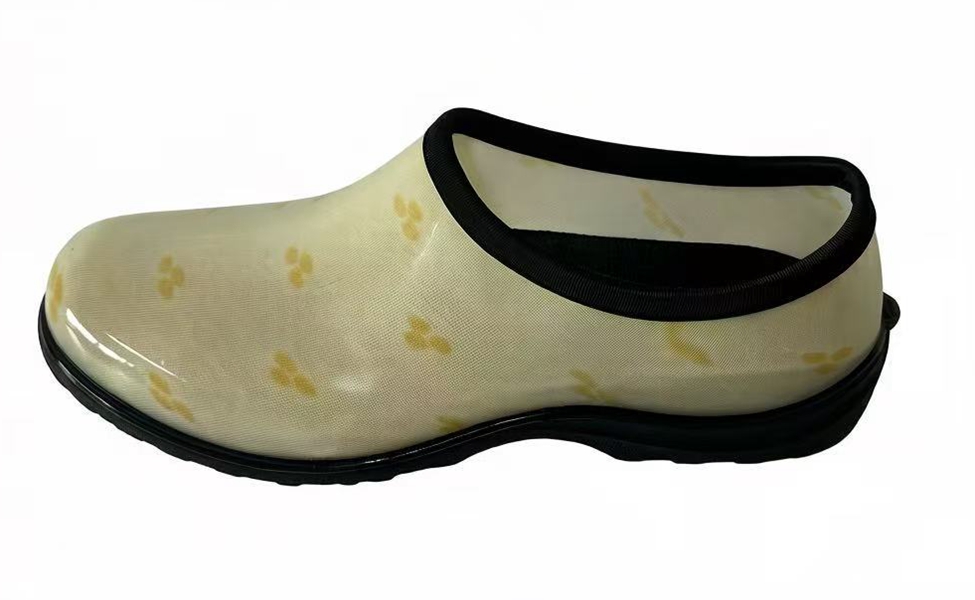
Substandard chemical usage poses a massive risk to your business. Factories sometimes use heavy metals or toxic phthalates to cut raw material costs. These toxic additions can lead to border rejections, product recalls, or severe consumer backlash. Your chosen rain boot factory China partner must prove strict adherence to global safety laws.
You must demand verifiable proof of chemical compliance. Request REACH compliance certificates for European markets. Require CPISA or Prop 65 compliance documents for United States distribution. Never take a factory's verbal assurance regarding chemical safety.
Verify their operational certifications thoroughly. Check for ISO 9001 (Quality Management) and BSCI or Sedex (Social Compliance) certifications. We highly recommend a skeptical action here. Request the actual audit report numbers. Then, verify those exact numbers directly through the issuing body's official database.
Standardize AQL Parameters: Implement Acceptable Quality Limit (AQL) standards immediately. Use AQL 2.5 for major defects and AQL 4.0 for minor defects during inspections.
Establish Mandatory Testing: Require mechanical testing before shipment approval. Demand waterproof flexing tests simulating walking motions.
Abrasion and Color Tests: Enforce strict sole abrasion resistance testing. Include color migration testing to ensure inner linings do not stain consumer socks.
Aligning your purchasing power closely to the factory's production scale ensures better unit economics. Factories operating massive automated lines will ignore small orders. Conversely, small boutique factories will struggle to fulfill massive volume requirements on time.
Standard industry MOQs typically range from 500 to 1,500 pairs per color or style. These numbers exist because setting up production lines requires significant time and material waste.
You have a strong negotiation lever available. Try consolidating sole colors across different boot upper designs. Factories can run the same black sole while changing the upper patterns. This strategy often helps you negotiate lower per-style MOQs for your initial launch.
You need to deeply analyze the Bill of Materials (BOM) provided. Price fluctuations tie heavily to global raw rubber and petrochemical commodity markets. When oil prices spike, expect PVC resin prices to follow shortly after.
Always request highly itemized quotes for bulk rain boots. Do not accept a single lump-sum price. Differentiate the base unit cost from mold fees. Separate sample fees from production expenses. Break down custom packaging costs clearly. Clarify the price difference between using custom-printed corrugated boxes versus standard polybags.
Moving from a massive list of Alibaba or Global Sources candidates to a finalized contract requires distinct decision logic. You must filter out trading companies masquerading as direct manufacturers. You want a true custom rain boots manufacturer possessing real production equipment.
Evaluate the vendor's English proficiency and time-zone adaptability during initial outreach. Monitor their willingness to explain technical constraints. A reliable factory will push back on impossible design requests. Beware of suppliers merely saying "yes" to everything. Constant agreement usually indicates they do not truly understand your specifications.
Never rush the sampling phase. Skipping steps here guarantees bulk production disasters. Follow this sequence strictly:
Virtual Proof / Tech Pack Review: Confirm all physical dimensions, material choices, and Pantone codes digitally.
First Pullover / Prototype: Check structural integrity and overall shape before finalizing expensive mold creation.
Pre-Production Sample (PPS): Treat this as your final benchmark. Do not wire any bulk deposits until you hold the physical PPS. You must approve and physically sign this sample.
Use standard FOB (Free On Board) trading terms. This places the responsibility of getting goods to the export port on the factory. Opt for a 30% deposit to initiate production. Hold the 70% balance until just before shipment. Make this final payment strictly contingent on passing a third-party inspection from agencies like SGS or TUV.
Transitioning from initial sourcing to bulk production requires clear technical specifications. It demands strict compliance checks at every level. You must establish airtight QC agreements early in the conversation.
Your immediate next-step action involves documentation. Draft a comprehensive Tech Pack detailing your exact materials. Include specific Pantone colors, comprehensive size grading charts, and strict labeling requirements. Prepare this packet thoroughly before reaching out to prospective factories. Proper preparation signals your professionalism and secures better pricing.
A: Standard answer: 30-45 days for bulk production, plus 15-25 days for custom mold development and sampling.
A: Yes, look for suppliers offering natural rubber or recycled PVC (rPVC), though both require verifying specific material certifications.
A: Costs vary widely based on size runs and material (injection vs. vulcanized), typically ranging from $500 to $1,500+ per size.
A: Sign a clear NNN (Non-Disclosure, Non-Use, Non-Circumvention) agreement drafted for Chinese jurisdiction and ensure you pay for and explicitly own the molds.


