

Views: 0 Author: Site Editor Publish Time: 2026-10-18 Origin: Site


Municipal sanitation is an unforgiving operating environment. Maintenance crews face high-pressure water, toxic sludge, and corrosive chemicals daily. Operating in the gritty reality of modern urban infrastructure, these professionals tackle everything from street sweeping and solid waste management to subterranean sewer maintenance and biohazard cleanup. The foundational equipment for these workers is their footwear. Yet, it remains the most overlooked component of municipal procurement protocols.
Standard industrial work boots are simply not engineered for continuous exposure to standing water and corrosive agents. Traditional leather degrades rapidly in these conditions. It eventually soaks through, harboring dangerous bacteria and causing severe foot health issues. Standard footwear adhesives dissolve within weeks when exposed to industrial solvents.
This comprehensive guide provides an objective, engineering-focused solution to these harsh field realities. We will examine why specialized polymer footwear is a non-negotiable safety requirement. By exploring the material advantages of Polyvinyl Chloride, we outline the critical features procurement managers must prioritize to ensure absolute compliance during daily washdowns.
Absolute Waterproof Protection: Seamless injection-molded construction offers an impermeable barrier against toxic sludge and municipal waste.
Chemical Resistance: The dense molecular structure of Polyvinyl Chloride naturally repels harsh industrial cleaners, street oils, and acidic biological compounds.
Optimized for Daily Washdowns: A smooth, non-porous exterior allows crews to hose off heavy grime in seconds. This actively prevents cross-contamination.
Cost-Effective Durability: Polymer footwear provides a vastly superior Return on Investment for municipal budgets compared to traditional rubber or leather.
Field-Tested Safety: Modern manufacturing integrates ergonomic arch support with critical workplace safety features like slip-resistant outsoles and impact-resistant toes.
To understand why specialized footwear is required, one must analyze the actual physical demands placed on a city maintenance crew. Consider a standard dispatch for a subterranean sewer line clearance, immediately followed by pressure-washing a grease-covered public plaza. The physical and chemical stresses placed on their gear far exceed those found in standard construction environments. Work boots constructed from leather or breathable synthetic fabrics are fundamentally unsuited for constant wet-work conditions.
Moisture penetration is the most immediate hazard to sanitation workers. Traditional leather and nylon fail almost immediately in these environments. Leather possesses a naturally porous biological structure. Even when heavily treated with waterproofing sprays, continuous exposure to pressurized water breaks down the protective coating. Once water breaches the exterior layer, the boot becomes completely waterlogged.
This creates a hazardous micro-environment for the worker. Prolonged exposure to damp, enclosed conditions leads to skin maceration. This softening and breaking down of the skin can escalate into severe cold injuries like trench foot. Furthermore, trapped moisture creates an ideal breeding ground for fungal infections, commonly known as athlete's foot, alongside bacterial issues that cause debilitating blisters. This discomfort drastically reduces worker efficiency and spikes absenteeism.
Municipal environments are heavily contaminated with a volatile cocktail of caustic substances. Street runoff contains motor oil, antifreeze, and gasoline. Sanitation facilities utilize heavy-duty degreasers, concentrated bleach, and ammonia-based industrial cleaners. Raw sewage introduces highly corrosive organic acids into the mix.
Standard boots rely on chemical adhesives to bind the outsole to the upper materials. When exposed to harsh alkalis and industrial solvents, these glues undergo rapid chemical degradation. This inevitably leads to sole separation. Acidic bio-waste dries out natural leather, causing it to crack, stiffen, and split open. This rapid structural failure forces municipalities into an expensive, continuous cycle of replacing ruined equipment.
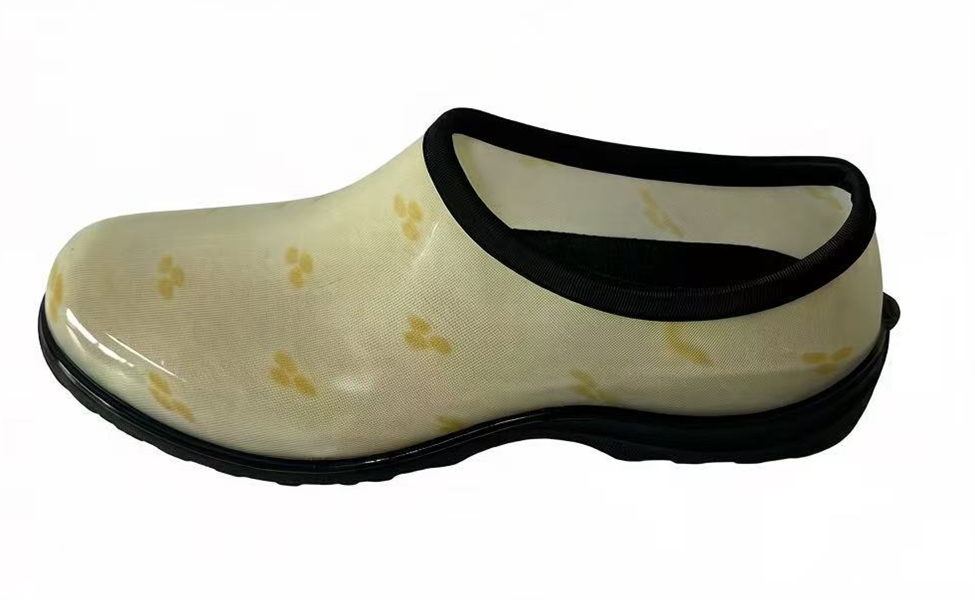
Materials science dictates that Polyvinyl Chloride is the optimal choice for combating severe city maintenance conditions. Its synthetic structure offers distinct operational advantages over natural materials. By outfitting crews with proper sanitation work boots crafted from advanced polymers, departments directly eliminate the inherent failures of leather.
Structural weakness at the seams is the primary reason standard protective equipment fails. Stitches rot. Glued joints separate. High-quality polymer boots bypass this engineering flaw entirely through injection molding.
During manufacturing, molten Polyvinyl Chloride is injected into a specialized mold under extreme pressure. The result is a single, continuous piece of footwear. There are absolutely no stitches, glued welt lines, or overlapping panels. This seamless construction guarantees an absolute, watertight seal that will never split or leak, regardless of extreme flexing during a long shift.
The chemical composition of Polyvinyl Chloride provides an inherent shield against a broad spectrum of caustic substances. Natural rubber swells, softens, and degrades when exposed to petroleum-based products like motor oil or hydraulic fluid. In contrast, this synthetic polymer maintains its structural density.
Whether a worker steps into a spill of industrial degreaser or stands in acidic sludge, the material effectively repels heavy-duty cleaning solutions. It does not absorb chemicals, ensuring the protective qualities remain intact over a significantly longer lifecycle.
A common misconception is that heavy-duty waterproof boots must be rigid and excessively heavy. Historically, older plastic boots caused severe leg fatigue. Modern polymer engineering has completely transformed these formulations.
Manufacturers now blend the base material with specialized plasticizers. These additives enhance flexibility without compromising durability, allowing the boot to bend naturally with the worker's foot. This optimized weight distribution helps reduce biomechanical strain on the ankles and lower back during grueling twelve-hour shifts on solid concrete.
The most defining operational requirement for municipal cleaning gear is decontamination. Sanitation workers handle biohazards constantly. Bringing contaminated gear into personal vehicles or locker rooms poses a severe health risk. Therefore, footwear must be exceptionally easy to clean.
The exterior surface of these specialized boots is entirely smooth and non-porous. Leather features a textured grain that traps dirt. Nylon absorbs liquid filth. Synthetic polymers, however, provide zero grip for contaminants. Mud, human waste, and chemical sludge simply cannot physically bond to the material.
At the end of a shift, a simple blast from a facility water hose removes all accumulated grime in seconds. This hose-and-go capability saves valuable time and ensures strict compliance with facility cleanliness protocols.
Because the material is entirely impermeable, it fundamentally prevents the deep-seated odors that plague traditional work boots. Sweat, contaminated water, and biological fluids cannot penetrate the pores to create a breeding ground for dangerous pathogens.
Keeping environmental moisture strictly on the outside maintains a significantly higher standard of hygiene. Washing the exterior daily eliminates food sources for bacteria, actively preventing biofilm formation.
Simply specifying waterproof boots on a procurement form is insufficient. To ensure maximum safety and the best return on taxpayer funds, specific functional features must be mandated. Selecting the right industrial PVC rain boots requires a rigorous analysis of job site hazards.
Slips and falls remain a leading cause of workplace injuries in municipal sectors. When crews pressure wash concrete or navigate mud-covered asphalt, standard treads become highly dangerous.
Procurement managers must prioritize outsoles featuring deep, self-cleaning tread patterns. These wide channels actively push mud and water outward as the worker steps down. This prevents the sole from clogging, allowing the rubberized surface to make direct, high-friction contact with the ground.
Municipal workers frequently handle heavy high-pressure hoses, solid iron manhole covers, and heavy waste receptacles. Impact protection is non-negotiable.
Many specialized boots seamlessly integrate steel or composite safety toes directly into the injection-molded shell. Steel toes offer the highest level of traditional impact resistance. Composite toes, crafted from Kevlar or tough plastics, offer similar protection but do not conduct extreme cold, making them preferable for freezing winter conditions.
Walking on concrete causes micro-traumas to the heel and plantar fascia. Quality footwear must include thick, removable, contoured insoles made from EVA foam or Polyurethane foam. Proper arch support absorbs kinetic shock, prevents flat-footed fatigue, and extends the usable life of the boot itself.
When evaluating waterproof footwear, departments typically weigh three primary materials. While each possesses distinct properties, they offer vastly different levels of value for municipal applications.
Material | Chemical Resistance | Weight & Flexibility | Cost-Effectiveness | Best Application |
|---|---|---|---|---|
Polyvinyl Chloride | Excellent against oils, acids, and alkalis. | Lightweight, moderate to high flexibility. | Very High | Municipal washdowns, heavy chemical handling. |
Natural Rubber | Poor against petroleum and industrial solvents. | Heavy, excellent flexibility in extreme cold. | Moderate | General agriculture, non-chemical wet work. |
Polyurethane | Good general resistance. | Ultra-lightweight, excellent thermal insulation. | Low | Food processing, extreme cold storage. |
For city departments tasked with outfitting hundreds of workers, budget optimization is critical. High-quality industrial PVC rain boots offer the perfect intersection of extreme durability, necessary chemical resistance, and cost-effectiveness. They survive the daily abuse that destroys standard boots without breaking the departmental budget.
Recent market data highlights a decisive shift in municipal procurement strategies across the globe. Driven by tightening city budgets and increasingly stringent occupational health regulations, public works departments are rapidly abandoning short-lifespan protective equipment. The global protective footwear market is currently experiencing a massive surge in demand for advanced synthetic polymer blends.
Why is this happening? Investing in specialized, task-specific gear slashes long-term replacement costs. Furthermore, it drastically lowers workers compensation claims related to chemical burns, slips, and musculoskeletal fatigue. Municipalities now recognize that equipping their workforce with purpose-built polymer footwear is a strategic financial asset rather than a simple safety compliance checklist item.
While synthetic polymers are inherently durable, implementing proper maintenance protocols ensures municipalities extract the maximum possible lifespan from their investment. Routine care actively prevents premature degradation.
The best practice for daily cleaning is utilizing mild soap or standard facility detergents paired with a water hose. Workers must strictly avoid using abrasive tools. Stiff wire brushes create micro-abrasions on the smooth surface. Over time, these deep scratches accumulate dirt and make the boots significantly harder to decontaminate.
Boots should always be dried in a well-ventilated area at room temperature. Inverting the boots upside down on a dedicated rack allows internal moisture to drain naturally. They should never be placed directly on radiators, as extreme heat can warp the structural integrity. Limiting prolonged storage in direct sunlight is also vital to prevent UV rays from breaking down the plasticizers.
Municipal procurement is strictly governed by occupational safety regulations. Purchasing non-compliant footwear exposes the city to severe legal liability. Understanding industry certifications is a mandatory step in the selection process.
The Occupational Safety and Health Administration requires employers to ensure proper protective footwear is worn in hazardous areas. Procurement managers must verify ASTM F2413 certification, which dictates the requirements for impact and compression resistance. Additionally, ASTM F3445 evaluates slip resistance. Boots meeting this criteria have been scientifically tested to provide adequate friction on wet surfaces, a critical metric for washdown environments.
Municipal cleaning is a highly demanding, hazardous profession. Standard footwear simply cannot survive the grueling realities of these wet, chemically exposed environments. Traditional leather boots inevitably fail, compromising worker safety and draining municipal budgets through constant replacement cycles.
Specialized polymer boots provide the ultimate waterproof protection. They offer unparalleled chemical resistance for daily tasks, and their seamless construction ensures long-lasting durability. Most importantly, crews can easily wash them down after shifts, guaranteeing better hygiene and preventing the spread of biohazards. Upgrading your team's gear is a smart, cost-effective investment that directly improves workplace safety and operational efficiency.
Ready to equip your crew with footwear built to last? Explore premium selections of sanitation work boots and other specialized protective equipment today. Ensure your municipality is ready for whatever the job demands by choosing gear engineered for the real world.
Yes. When paired with the right ergonomic insoles and proper sizing, modern polymer boots provide excellent shock absorption and support. Advanced manufacturing techniques have made the material much lighter and more flexible, significantly reducing foot and leg fatigue during long shifts on concrete.
Depending on the intensity of the work, the harshness of the chemicals encountered, and strict adherence to daily washdown routines, a quality pair can last anywhere from 6 months to over a year in severe municipal environments. This lifespan offers a vastly superior Return on Investment compared to standard leather work boots.
Sanitation workers prefer Polyvinyl Chloride because of its superior chemical resistance. Natural rubber degrades, swells, and cracks when exposed to the motor oils, industrial degreasers, and acidic organic waste commonly found in municipal environments. PVC repels these substances while remaining significantly lighter on the foot.
Due to the non-porous nature of the material, decontamination is straightforward. Workers should use a standard hose to remove heavy solid waste, followed by a washdown using a facility-approved antibacterial detergent or mild bleach solution. A soft-bristled brush can be used for the outsoles, ensuring all biological hazards are neutralized before the boots are left to air dry.
Unlike natural leather, synthetic polymer holds its shape exceptionally well over its lifespan. It will not stretch out with heavy use, nor will it shrink, provided it is dried properly at room temperature and kept away from extreme direct heat sources like forced-air heaters.


