

Views: 0 Author: Site Editor Publish Time: 2026-07-28 Origin: Site


Cheap waterproof footwear carries an incredibly high failure rate. You buy a pair expecting protection, but they quickly crack at the flex points. They offer zero arch support and leave your heels covered in painful blisters. It feels deeply frustrating to spend money on gear only to find it leaking after just one season.
The "perfect" boot depends entirely on your specific use case. What saves a farmer’s feet in deep manure will feel like heavy concrete blocks to a city commuter. Choosing incorrectly leads to discomfort, fatigue, and ruined socks. Understanding your daily terrain helps you avoid buying the wrong style entirely.
We built a clear, use-case-driven framework to help you evaluate and select the right pair. We cut through marketing fluff to focus strictly on durability, traction, and actual comfort. You will learn how to balance terrain severity against temperature requirements. By the end, you will confidently match the ideal footwear to your exact lifestyle.
Purpose Dictates Profile: Heavy-duty mud work requires vulcanized natural rubber and neoprene; urban commuting favors lightweight, ankle-height PVC or flexible synthetics.
Traction is Non-Negotiable: Lug patterns determine safety. Deep, self-cleaning lugs are for loose terrain; shallow, siped soles are for slick concrete.
Fit Over Fashion for Longevity: Calf circumference, instep volume, and heel slip are the primary reasons women’s rubber boots are returned.
Material Matters: Natural rubber offers better flex and cold-weather performance, while PVC is often cheaper but prone to cracking under extreme temperature shifts.
Buyers often purchase boots based on aesthetics alone. This mistake leads to immediate regret during actual use. You must segment your needs based on your daily environment. We break down the primary user profiles below.
The Heavy-Duty / Farm Chores Profile
Farm work destroys standard footwear rapidly. You face harsh barnyard environments daily. Animal waste, fertilizers, and harsh chemicals break down weak materials quickly. You need absolute chemical and acid resistance. Farm chores also demand physical protection for your feet. Look for reinforced toes to prevent crushing injuries. You also need steel shanks to support your arches on ladder rungs. "Kick rims" on the heel are essential. They allow hands-free removal when you are covered in mud.
The Everyday Commuter / Fashion Profile
City streets demand a completely different approach. You navigate wet pavement, subway stairs, and office lobbies. Low-profile designs work best here. Chelsea boot styles offer a sleek look without unnecessary bulk. You should prioritize aesthetics and a lighter overall weight. The core utility of fashion rain boots lies in their versatility. They provide a seamless transition from rainy outdoors to dry indoor environments.
The Active / Hiking Profile
Walking long distances in wet conditions introduces friction. Friction quickly turns into severe blisters. You must focus on a snug heel fit to prevent internal movement. Extended walking requires proper foot mechanics. You need articulated outsoles that bend naturally. Shock-absorbing midsoles, usually made of EVA foam, reduce joint fatigue. You cannot hike safely in stiff, flat-bottomed boots.
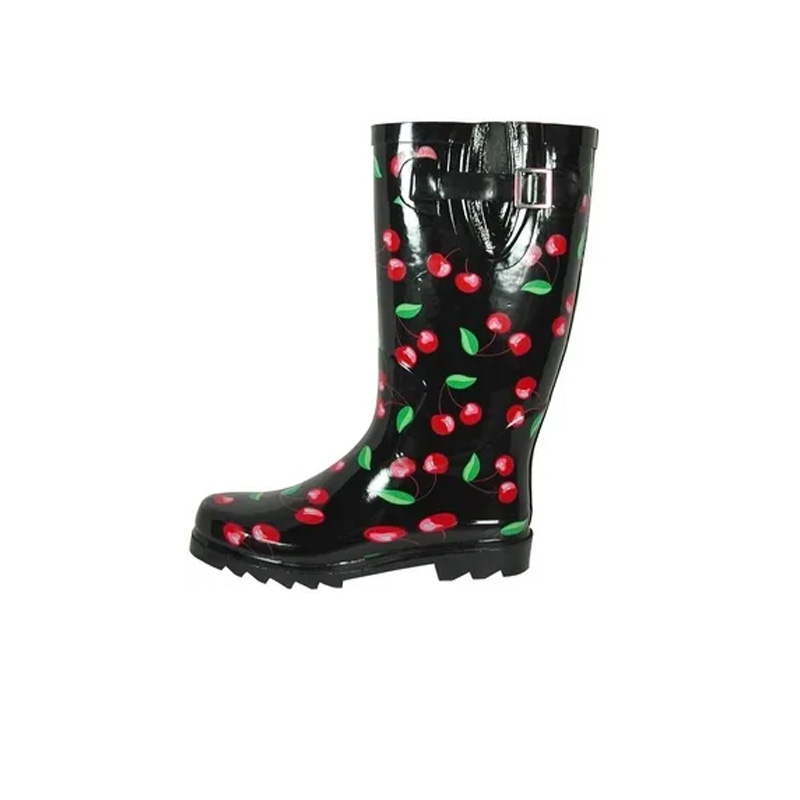
You need an objective matrix to evaluate any brand properly. Marketing claims often obscure the actual performance metrics. By focusing on three critical components, you can separate quality ladies'gumboots from poorly made alternatives.
Grip defines your safety in wet conditions. Outsole geometry dictates how a shoe interacts with the ground. You must choose the right tread pattern for your environment. Aggressive, self-cleaning lugs feature deep channels. They push mud and snow outward as you step. This prevents the sole from packing solid and losing grip. Conversely, flat, razor-siped soles feature tiny slits. They act like windshield wipers on slick surfaces. They provide the best grip on wet pavement, tile floors, and boat decks.
Height changes how you move and what you can endure. Knee-high designs offer maximum splash protection. They keep deep puddles out completely. However, they restrict your knee movement and trap body heat. Mid-calf options strike a versatile balance. They handle moderate rain while allowing better airflow. Ankle-height designs prioritize easy on-and-off convenience. They work perfectly for light drizzles and quick errands. Calf width also causes major fit issues. You should always look for adjustable gussets. They accommodate varied calf sizes comfortably.
The interior environment determines your overall comfort. Unlined interiors leave bare material against your skin. They feel sweaty and sticky quickly. You should only use unlined models for brief summer outings. Mesh wicking linings vastly improve the experience. They pull sweat away from your socks during spring and fall use. Thick neoprene linings are mandatory for sub-zero temperatures. Neoprene traps body heat effectively. It makes winter farming or snowy walks manageable.
Environment Type | Recommended Outsole | Ideal Shaft Height | Suggested Lining |
|---|---|---|---|
Deep Mud / Agriculture | Deep Self-Cleaning Lugs | Knee-High | Neoprene (Winter) / Mesh (Summer) |
Urban Pavement / Commuting | Flat Razor-Siped | Ankle or Mid-Calf | Light Mesh / Unlined |
Woodland Trail Hiking | Articulated Medium Lugs | Mid-Calf | Moisture-Wicking Mesh |
Understanding manufacturing materials helps you make smarter purchases. Brands often use confusing jargon to sell cheap plastics. We break down the reality of these materials below. You must weigh the trade-offs before spending your money.
Vulcanization cures the material using heat and sulfur. This process creates strong, resilient cross-links. It represents the gold standard for waterproof footwear.
Pros: It offers superior flexibility. It moves naturally as you walk. It remains completely waterproof over time. It resists cracking even in extreme cold temperatures. It provides significantly better grip on slick surfaces.
Cons: The manufacturing process makes it heavier. It carries a higher price point. It requires periodic conditioning to prevent UV degradation. Without conditioning, it experiences "blooming," a natural chalky oxidation process.
Polyvinyl chloride provides a cheap alternative to organic tree sap. Manufacturers pour liquid PVC into injection molds. This creates a seamless, uniform product quickly.
Pros: It feels extremely lightweight on the foot. The mass-production method keeps it highly affordable. It holds dye well, allowing for vivid fashion colors and intricate prints.
Cons: It stiffens severely as temperatures drop. It cracks easily in freezing weather. Once a crack forms, it is nearly impossible to repair. It delivers noticeably poorer traction on wet ice or smooth concrete.
Generic listicles rarely help you find the right footwear. You need strict functional categories to guide your shortlist. We structured these recommendations to align with specific daily tasks. Properly matching your needs to these categories ensures long-term satisfaction with your Rubber Boots.
Farm work requires rugged engineering. You cannot compromise on durability here. Focus your search on models featuring thick neoprene insulation. This keeps your feet warm during early morning frost. You absolutely need self-cleaning outsoles. They shed heavy clay and manure automatically. Look closely at the toe and heel zones. They must feature thick rubber reinforcements. These reinforcements prevent punctures from pitchforks and wire fences.
City life demands agility and style. Heavy agricultural footwear will leave you exhausted by noon. Focus on packability if you travel frequently. A lightweight chassis reduces leg fatigue on long subway commutes. You want a sleek silhouette. It should blend naturally with casual office wear or weekend outfits. Ankle-height designs usually dominate this category. They slip off easily when you arrive at your destination.
Tight calves restrict blood flow and cause severe pain. Many standard models ignore diverse body types. If you have athletic or wide calves, prioritize adaptability. Focus exclusively on models offering expandable back gussets. These panels stretch to accommodate different circumferences. Adjustable side straps provide further customization. They let you tighten the top edge to keep rain out securely.
Not everyone needs professional-grade equipment. Sometimes you just need something for walking the dog in light rain. Focus on budget-friendly PVC models for this category. However, do not sacrifice foot health completely. Ensure the cheaper models still offer adequate arch support. A drop-in EVA insole makes a massive difference here. It transforms a basic shell into a comfortable walking shoe.
Category Focus | Primary Feature Requirement | Common Pitfall to Avoid |
|---|---|---|
Agricultural & Mud | Reinforced strike zones & steel shank | Buying unlined models for winter use |
Urban Commuting | Lightweight, sleek silhouette | Heavy, clunky soles that cause fatigue |
Wide Calves | Expandable gussets | Rigid shafts that pinch nerves |
Occasional Wear | Low cost with decent arch support | Flat, unsupportive footbeds |
Buying the right pair is only the first step. Post-purchase realities often surprise first-time owners. Managing fit, moisture, and maintenance determines how long your footwear lasts. We address these common implementation risks below.
Sizing waterproof footwear challenges many buyers. Brands rarely follow standard shoe sizing charts accurately. You often hear advice to size up. Sizing up accommodates thick winter socks perfectly. It also helps you escape the dreaded "boot suction" effect in deep mud. However, going too large creates new problems. Too much heel lift causes severe friction. This friction quickly destroys your Achilles tendon and causes massive blisters. You must balance toe room with a secure heel lock. Always test the fit while wearing your intended socks.
Waterproof materials keep rain out successfully. Unfortunately, they also keep sweat trapped inside. Natural vulcanized sap and PVC do not breathe at all. Your feet will sweat, even in cold weather. You must manage this internal moisture actively. Never wear cotton socks. Cotton absorbs sweat and stays wet against your skin. Wet cotton leads to freezing toes and painful blisters. We strongly recommend merino wool socks. Merino wool manages internal sweat by wicking moisture away. It retains its insulating properties even when damp.
Proper care extends the lifespan of your investment significantly. Neglect leads to dry rot and cracking. You must clean your footwear regularly. Use mild soap and warm water to remove mud and chemicals. Never use harsh detergents or solvents. Natural vulcanized material frequently develops "blooming." This looks like a white powdery film on the surface. It is harmless but looks unsightly. You can prevent blooming easily. Treat the exterior using commercial silicone sprays. Alternatively, rub a small amount of olive oil into the surface to restore its natural shine.
Choosing the right waterproof footwear requires a strategic approach. You must evaluate your true daily environment before making a purchase. The final decision always comes down to balancing terrain severity with temperature requirements. Farm environments demand heavy-duty vulcanized construction and deep lugs. City streets require lightweight, siped silhouettes. Pay close attention to your body mechanics. Proper calf fit and arch support prevent long-term injuries.
Take action before you buy your next pair. Grab a flexible tape measure and determine your actual calf circumference. Compare this number directly to the brand's specific sizing charts. Standard shoe sizes rarely apply accurately here. Pair your new footwear with high-quality merino wool socks. Following these steps guarantees warm, dry, and comfortable feet regardless of the weather outside.
A: Yes, provided they have the correct insulation. You need models featuring thick neoprene linings or heavy fleece. Unlined versions trap cold air and will freeze your feet in snowy conditions. Ensure the outsole features aggressive lugs designed specifically to grip icy surfaces safely.
A: Natural vulcanized materials can be repaired successfully. Clean the cracked area thoroughly. Apply a flexible marine sealant or use a specialized patching kit. Press it firmly and let it cure for 24 hours. Note that PVC models are rarely repairable once they split open.
A: This white powdery film is called "blooming." It is a completely natural process in vulcanized materials where insoluble protective particles rise to the surface. It is not a defect or mold. You can easily remove it by wiping the surface with silicone spray or olive oil.
A: You should follow the "snug instep, loose toe box, slight heel slip" rule. The instep must hold your foot securely to prevent sliding. Your toes need room to wiggle to maintain circulation. A quarter-inch of heel slip is normal and prevents blister-causing friction.


