

Views: 0 Author: Site Editor Publish Time: 2026-07-31 Origin: Site


Buying children's footwear based purely on cute dinosaur or unicorn patterns is a common trap. Parents often learn the hard way. They end up dealing with blistered heels, cracked seams, or restricted mobility during afternoon play. Choosing the right footwear goes far beyond visual appeal.
Toddlers and growing children require highly specific ergonomic support. They also need non-toxic, skin-safe materials. Standard adult boot criteria simply fall short when applied to developing arches and sensitive skin. Poorly designed footwear can alter a child's natural walking gait and cause long-term foot fatigue.
This guide provides an evidence-based, pediatrician-aligned evaluation framework. We will help you navigate the essential features of outdoor footwear. You will learn how to select the ideal pair balancing biomechanical safety, thermal comfort, and real-world durability for everyday adventures.
Material Matters: Natural rubber outperforms PVC in flexibility, durability, and environmental safety, though it comes at a higher price point.
Weight vs. Function: Heavy boots alter a child's natural gait; prioritizing lightweight construction is critical, especially for toddlers.
Climate Dictates Lining: Unlined or cotton-lined boots suit mild weather, while neoprene is mandatory for winter or extended outdoor (homesteading/farm) use.
Safety Over Style: Deep-lug traction, reflective elements, and proper shaft height are non-negotiable safety baselines.
The material of a boot dictates its entire lifespan, comfort level, and safety profile. You must understand the baseline difference between cheap plastics and natural materials. This difference serves as the primary cost and durability driver in children's footwear.
Polyvinyl chloride, commonly known as PVC, dominates the budget footwear market. Many fast-fashion brands rely on this synthetic plastic. It is highly accessible and usually features vibrant, printed designs.
Pros: PVC footwear is undeniably low cost. These boots are typically very lightweight. You can find them easily in almost any big-box retail store.
Risks: Synthetic plastic is inherently stiff. This rigid material alters delicate foot mechanics. Children cannot bend their arches naturally while walking in PVC. Furthermore, PVC is prone to cracking in cold weather. As temperatures drop, the plastic becomes brittle and splits. Many experts also raise potential off-gassing and phthalate concerns regarding synthetic plastics used in children's apparel.
Natural rubber comes from the sap of rubber trees. Manufacturers vulcanize this sap to create a highly resilient, waterproof material. Authentic Rubber Boots represent the gold standard for outdoor footwear.
Performance Benefits: Natural rubber offers high flexibility. It moves seamlessly with the child’s foot arch. The material is naturally waterproof without needing chemical coatings. It also provides exceptional resistance to splitting in freezing temperatures.
Safety Profile: Natural rubber is non-toxic and eco-friendly. It does not require harsh chemical plasticizers to stay soft. Additionally, it generally offers superior grip on slick surfaces compared to hard plastic.
We advise prioritizing natural kids'rubber boots for daily or heavy-duty use. They provide the necessary support for active play. You should reserve PVC options only for infrequent, light-puddle play during warmer months.
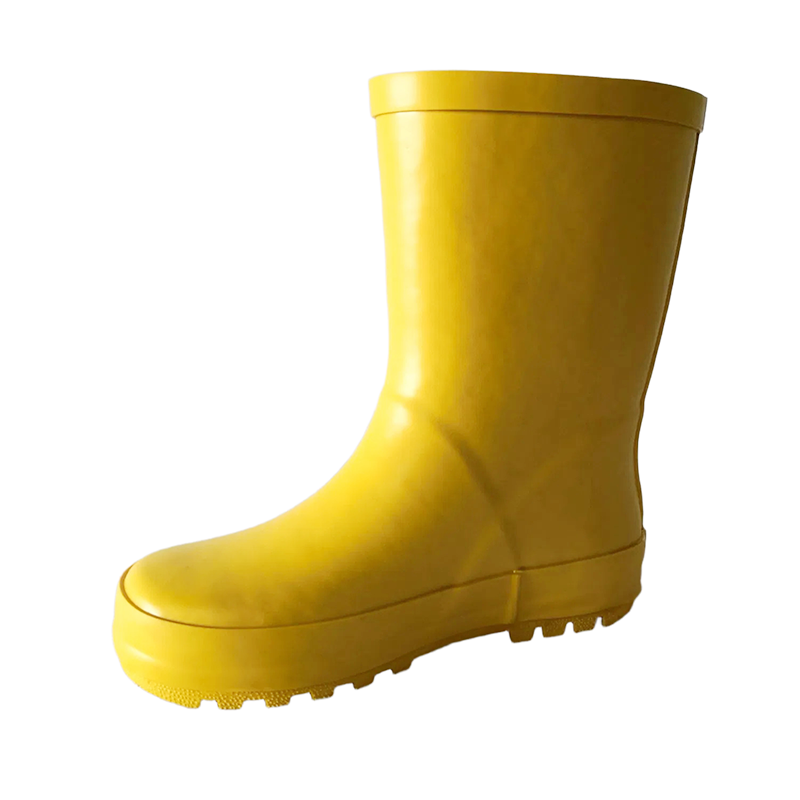
Proper fit often gets overlooked when buying waterproof footwear. We must highlight the "clunkiness" factor. Improperly fitted children's rain boots lead directly to tripping, fast fatigue, and even potential foot deformities over time.
You face a constant trade-off between heavy-duty protection and child mobility. Heavy footwear alters a child's center of gravity. You must evaluate the weight before purchasing. The footwear should never drag on the ground. It should not force a child into a stiff "marching" gait. Prioritizing lightweight construction is critical, especially for toddlers just mastering their balance.
Developing feet have distinct anatomical needs. Children's feet are wider at the toes and narrower at the heel compared to adult feet.
Wide Toe Box: You must look for a wide, rounded toe box. This shape allows natural toe splay. When toes can spread out, the child maintains better balance on uneven terrain.
Preventing Heel Slippage: Loose heels cause friction. Friction quickly leads to painful blisters. You must test the heel fit carefully.
Use this simple "pull test" to check for heel slippage:
Have your child put on the boot with their standard outdoor socks.
Ask them to stand perfectly still with their weight evenly distributed.
Grasp the heel of the boot firmly with your hand.
Gently pull down on the heel while asking your child to lift their leg.
If the boot slips off effortlessly, the fit is too loose. A proper fit will provide slight resistance.
Many parents buy footwear two sizes too big to maximize longevity. You must avoid this dangerous myth. Oversized footwear completely compromises ankle stability. It dramatically increases the risk of tripping and sprained ankles. We recommend leaving a maximum of one thumb-width of extra room at the toe. This space comfortably accommodates thick socks without compromising overall stability.
Waterproofing is a double-edged sword. It keeps rain out, but it also traps body heat and sweat inside. You must guide your purchase based on the specific interior lining. Choose the right interior based on your localized climate and intended activity. Urban school runs require entirely different insulation than muddy farm chores.
Unlined or basic cotton-lined options are best for spring, summer, and standard rain showers. Cotton provides excellent moisture-wicking properties. Active kids sweat profusely from their feet. A thin cotton lining absorbs this sweat. It prevents cold, clammy feet during active outdoor play. These are lightweight and highly versatile for mild climates.
Winter demands specialized insulation. You cannot use thin cotton linings in freezing temperatures. Neoprene acts as an incredible waterproof insulator. It is the same material used in scuba wetsuits. It traps body heat effectively, making it ideal for sub-zero mud or snow.
However, you must address the weight penalty. Heavy insulation adds bulk. Only choose thick neoprene or dense fleece if the climate truly demands it. Over-insulating feet in mild weather causes excessive sweating and discomfort.
Consider the practical advantage of removable liners. These fleece or wool inserts slide directly into the shell. They allow for incredibly fast drying if water breaches the top of the boot. Removable liners also let you adapt a single pair of footwear to multi-season use. Simply remove the thermal liner during spring rain showers.
Lining Material | Best Season | Primary Benefit | Main Drawback |
|---|---|---|---|
Unlined / Thin Cotton | Spring & Summer | Lightweight, prevents overheating | Zero insulation against freezing temperatures |
Fleece | Late Autumn & Winter | Soft, cozy, traps body heat well | Hard to dry out if fully soaked inside |
Neoprene | Deep Winter & Snow | 100% waterproof insulation, extreme warmth | Adds significant weight and bulk to the boot |
Removable Liners | All-Season (Multi-use) | Easy to wash, fast drying, adaptable | Can bunch up or slide down if poorly fitted |
You must move beyond basic waterproofing. It is crucial to evaluate physical safety during high-energy outdoor play. kids'waterproof boots need specific mechanical features to keep children safe in hazardous conditions.
Traction prevents dangerous slips and falls. You must inspect the bottom of the footwear carefully. Compare shallow treads versus deep lugs.
Shallow treads work fine for wet, paved sidewalks. However, they fail completely on natural terrain. Deep, multidirectional lugs are strictly required for wet grass, thick mud, and uneven trails. Multidirectional patterns channel water and mud away from the center of the sole. This channeling action provides a stable grip.
The height of the boot shaft dramatically impacts mobility. Do not assume taller is always better.
Toddlers: Look for a mid-calf height. Toddlers spend a massive amount of time squatting to investigate the ground. A mid-calf height prevents the stiff upper edge from restricting the back of the knee during a squat.
Older Kids: Taller shafts are perfectly acceptable for older, taller children. They benefit from the extra height for wading into streams and conquering deep puddles.
Never underestimate the necessity of reflective elements. Rainy days inherently feature low-light conditions. Winter evenings get dark very early. You should look for footwear featuring 360-degree reflective strips. Reflective patches on the heel, toe, and sides ensure approaching vehicles can spot your child easily.
Implementation realities matter just as much as technical specifications. A theoretically perfect design fails entirely if a child refuses to wear it. It also fails if a parent struggles constantly to clean it.
Preschoolers desperately want to do things themselves. You should evaluate footwear based on ease of entry. Look for reinforced pull-on handles. These sturdy loops allow small hands to grip and pull effectively. Wide collars also help children slide their feet in without frustrating resistance. Fostering this dressing independence saves parents crucial time during busy morning routines.
Look closely at the heel of the outsole. Many high-quality designs feature a protruding heel ridge. We call this the "kick-off" ledge. This small ledge allows kids (and parents) to remove muddy footwear without using their hands. Your child simply steps on the ledge with their opposite foot and pulls their leg out. This keeps muddy hands out of the house.
Practical considerations for drying out footwear are essential. Kids will inevitably jump in a puddle that is deeper than their boot. Water will get inside. You must know how to handle it.
Avoid direct radiator heat at all costs. Placing natural rubber directly on a hot radiator causes rapid thermal degradation. The material will dry out, crack, and lose its waterproofing. Instead, crumple up dry newspaper and stuff it tightly inside the wet interior. The newspaper acts as a sponge to absorb internal moisture safely. Replace the newspaper every few hours until the interior feels completely dry.
Selecting the right footwear requires a thoughtful approach. The best choice always balances the child's anatomical needs with the specific use case. Flexible natural rubber and appropriate weight protect developing feet. Specialized linings and deep multidirectional treads conquer specific climates and terrains.
Take action before your next purchase. Follow these concise next steps to ensure success:
Measure your child’s feet later in the afternoon. Feet naturally swell as the day progresses, ensuring you don't buy a size that becomes tight by evening.
Factor in the exact thickness of your preferred outdoor socks during the fitting process.
Check retail return policies carefully. You want the option to conduct an at-home walk test on a clean carpet before committing.
Always prioritize wide toe boxes and flexible soles over cartoon character prints.
A: Standard unlined rubber is not suitable for snow. Rubber conducts cold easily, which will quickly freeze a child's feet. If you want to use them in the snow, you must purchase boots with specific neoprene or thick thermal fleece linings. These specialized linings act as necessary insulators against sub-zero temperatures.
A: Odor is caused by sweat accumulation and trapped moisture. To prevent this, avoid 100% cotton socks, which hold moisture against the skin. Recommend merino wool socks instead; they naturally wick sweat and resist odors. Always dry the interiors thoroughly after each use by stuffing them with dry newspaper.
A: No, they should not wear them all day indoors. Waterproof materials inherently lack breathability. Wearing them indoors for hours traps heat and sweat. This environment promotes fungal growth, causes blisters, and leads to foot fatigue. Always provide a breathable pair of indoor shoes for them to change into at school.


