

Views: 0 Author: Site Editor Publish Time: 2026-07-20 Origin: Site


We all know the frustrating cycle of buying waterproof footwear. You purchase a new pair, only to watch them crack, leak, or cause severe foot fatigue after a single season. Cheap PVC rain boots might look functional on the retail shelf. However, they fail rapidly when exposed to harsh environments. Professional-grade footwear requires rigorous engineering to withstand extreme daily abuse. Whether you navigate caustic barnyard chemicals, jagged rocks, or freezing temperatures, standard options rarely survive. You need specialized gear built for your specific operational hazards.
In this guide, we provide a complete framework for evaluating materials, safety standards, and ergonomic designs. We will explore how different compounds react to environmental stressors. You will learn how to match specific boot constructions to your exact daily demands. Ultimately, this knowledge ensures you select footwear that keeps your feet protected, dry, and comfortable during grueling twelve-hour shifts.
Material dictates lifespan: Polyurethane (PU), Neoprene, and vulcanized rubber each offer distinct trade-offs regarding weight, chemical resistance, and insulation.
Compliance matters: True rubber work boots must meet specific safety standards (e.g., ASTM) for toe protection and slip resistance.
Fit prevents fatigue: Correct calf sizing, heel lock, and moisture management are critical for preventing blisters and joint strain during 12-hour shifts.
Use-case matching: farming boots prioritize chemical resistance, while outdoor rubber boots prioritize thermal regulation and puncture-resistant outsoles.
Your foundational decision starts with the core material. Buyers must strictly match the boot compound to their specific environmental stressors. Choosing the wrong material guarantees premature failure. Different environments attack footwear in unique ways. You must understand the chemical and physical limitations of each option.
Vulcanized rubber undergoes a severe heat and chemical treatment. This traditional manufacturing process creates a highly robust structure. Rubber Boots excel in high-abrasion environments. They are naturally waterproof and highly durable against physical cuts from sharp tools or jagged metal.
However, this traditional material carries distinct drawbacks. It remains significantly heavier than modern synthetic alternatives. Carrying extra weight drains your energy over a long shift. Furthermore, traditional rubber is prone to dry rot if improperly stored. It also becomes highly stiff and unforgiving in extreme cold temperatures.
Polyurethane represents a major leap in footwear technology. Manufacturers inject millions of tiny air bubbles into the material during production. As a result, PU boots are up to 40% lighter than traditional alternatives. This weight reduction drastically lowers daily physical fatigue. PU also provides superior resistance to harsh agricultural chemicals, animal fats, and oils. The trapped air bubbles naturally deliver excellent thermal insulation.
The primary downside involves the initial investment. Polyurethane often carries a higher upfront cost. Additionally, it offers limited stretch and flexibility when compared directly to neoprene designs.
Neoprene is the same synthetic material used in premium scuba wetsuits. In footwear, manufacturers typically pair it with a protective lower rubber shell. Neoprene delivers exceptional warmth by trapping body heat against your skin. It offers form-fitting flexibility that moves effortlessly with your stride. Many users appreciate the easy roll-down capability for rapid temperature venting.
You must watch out for its physical vulnerabilities. Neoprene can snag or tear easily in heavy brush. It requires high protective overlays for harsh terrain. Additionally, it retains sweat rapidly if not lined properly with moisture-wicking fabrics.
Material Comparison Breakdown
Material Type | Primary Advantage | Main Drawback | Ideal Work Environment |
|---|---|---|---|
Vulcanized Rubber | High abrasion and cut resistance. | Heavy; stiffens in extreme cold. | General construction, forestry. |
Polyurethane (PU) | Ultra-lightweight; extreme chemical defense. | Higher initial price point. | Dairy farms, meat processing. |
Neoprene | Superior flexibility and insulation. | Vulnerable to snags and punctures. | Cold weather hunting, light mud work. |
Agricultural and industrial environments destroy weak materials quickly. You cannot rely on casual rain footwear for demanding operational tasks. You must map specific boot features to the precise outcomes required by your daily tasks.
Farms expose your gear to aggressive corrosive agents daily. You must evaluate how the boot compound withstands prolonged exposure. Manure, strong fertilizers, and petroleum-based fluids break down basic polymers rapidly. Poultry farms, for example, generate high levels of ammonia. Ammonia causes standard polymers to crack and leak within weeks. You need industrial-grade compounds specifically rated for barnyard acids to survive these environments.
Workplace safety relies on strict compliance. Always verify ASTM F2413 certifications before purchasing safety gear. This standard dictates the performance requirements for toe protection and overall structural integrity. You must decide between steel and composite toes based on your environment. Steel toes offer maximum crush protection but conduct the cold quickly. Composite toes provide excellent protection while remaining thermally neutral. Furthermore, check for electrical hazard (EH) ratings if you operate near live wires. Look for metatarsal guards if heavy objects frequently drop from waist height.
The ground beneath you dictates your outsole requirements. A mismatched tread pattern leads directly to dangerous slips and falls.
Self-cleaning treads: These feature wide, angled channels. They are absolutely necessary for thick mud and clay. As you walk, the boot flexes and pushes the mud out. This prevents the soles from packing full of heavy dirt.
Siped outsoles: These feature tiny, razor-thin slits cut into the rubber pads. They are explicitly required for wet concrete, metal grating, or slick dairy parlor floors. The slits open upon impact, acting like tiny squeegees to channel water away.
Standing for hours damages your arches without proper support. Always look for rigid fiberglass or steel shanks built into the midsole. Shanks bridge the gap between the heel and the ball of the foot. They drastically reduce mid-foot fatigue when you stand on narrow ladder rungs. They also distribute downward pressure evenly when you stomp on shovel pegs or operate heavy machinery pedals.
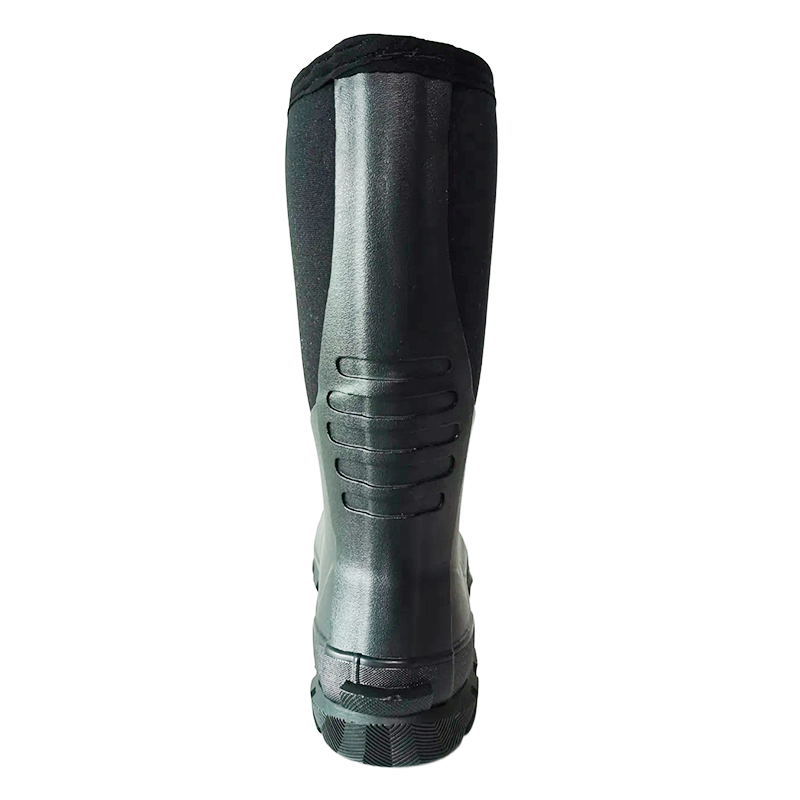
Shifting focus to outdoor recreation requires a completely different evaluation strategy. Hiking, tracking, and hunting introduce unique physical stressors. You face unpredictable weather, uneven terrain, and high mileage. Your gear choices directly impact your endurance in the wild.
Manufacturers often advertise extreme temperature comfort ratings, such as -40°F to 40°F. You must interpret these numbers with caution. Comfort ratings assume an active user generating consistent body heat. If you sit motionless in a deer blind, you will feel the cold much faster. Pay close attention to the interior linings. Fleece linings excel at trapping radiant heat for freezing, static activities. Conversely, breathable mesh linings pull heat away during highly active early-season hikes.
The wild presents hidden dangers beneath the brush. You must evaluate the thickness of the protective lower shell. Look closely at the overlay over the toe box and the shin area. A thicker barrier protects against sharp briars, jagged rocks, and hidden barbed wire. In certain regions, specialized snake-proof layers become mandatory. These layers utilize tightly woven synthetic meshes embedded within the outer shell to stop venomous fangs.
Every pound on your foot equals roughly five pounds on your back in terms of energy expenditure. You face a constant trade-off between heavy-duty protection and physical exhaustion. Heavy boots offer maximum ankle stability and puncture defense. However, walking long distances in heavy footwear takes a severe physical toll. If you hike several miles to reach a site, prioritize lightweight, flexible designs. Save the heavy-armored models for stationary tasks or short distances in highly hazardous terrain.
Even the most expensive footwear fails if the fit is wrong. You must address the real-world adoption risks and the physical limitations of completely waterproof barriers. Proper fit and moisture management build the foundation of daily comfort.
Sizing waterproof footwear presents a unique challenge. You typically need to size up slightly to accommodate thick thermal socks. However, sizing up creates a dangerous gap around the ankle. This gap leads directly to heel slippage. When your heel slips up and down, it generates friction. Friction rapidly creates debilitating blisters. To prevent this, focus heavily on the heel lock design. The ankle area must taper inward to grab your Achilles tendon securely, regardless of the toe box room.
Many buyers ignore their calf measurements until it is too late. A tight upper shaft restricts blood flow and causes severe cramping. You must assess the need for adjustable rear gussets. Gussets allow you to expand the calf circumference significantly. This expansion accommodates naturally wide calves comfortably. It also provides the necessary space if you prefer tucking heavy insulated work pants directly into the shaft.
You must acknowledge a fundamental truth about waterproof gear. If water cannot get in, sweat cannot get out. One hundred percent waterproof barriers do not breathe well. They operate as natural sweat traps. You must deploy aggressive mitigation strategies to stay dry.
Wear synthetic blends: Only use moisture-wicking synthetic or merino wool socks. Always avoid pure cotton. Cotton acts like a sponge, holding freezing sweat directly against your skin.
Utilize forced air: Invest in forced-air electric boot dryers. Place your gear on the dryer immediately after every shift.
Rotate your pairs: If your budget allows, alternate between two pairs daily. This gives the interior fabrics ample time to dry completely.
Failing to manage interior moisture leads directly to aggressive bacterial growth. This bacteria causes foul odors and rots the interior lining prematurely.
Professional-grade footwear demands professional maintenance. You cannot treat high-end technical gear like cheap disposable plastic. Proper post-purchase care demonstrates practical experience and protects your financial investment.
Daily cleaning serves as your first line of defense. You must wash off caustic materials immediately. Leaving thick mud, manure, or fertilizers on the exterior causes premature chemical breakdown. The mud pulls essential oils out of the polymers as it dries. Use a medium-bristle brush and mild soapy water to scrub the exterior. Pay special attention to the flex points behind the toes, as dirt accumulates there and acts like sandpaper.
Improper storage destroys high-quality compounds faster than daily use. You must understand environmental degradation. UV exposure from direct sunlight attacks the chemical bonds. It causes rapid fading and severe surface cracking. Extreme temperature fluctuations also cause massive damage. Leaving your gear in a hot truck bed during summer bakes the material, turning it brittle. Always store them indoors in a cool, dark, and well-ventilated environment.
Vulcanized and natural compounds dry out over time. They lose their natural elasticity. When they lose elasticity, they crack at the main flex points near the ankle. You must condition them actively to maintain flexibility. Use a high-quality silicone-based conditioner every few months. Spray it evenly across the clean exterior and buff it in with a soft cloth. This restores the protective barrier, repels mud, and keeps the material supple for years.
Choosing the right technical footwear directly impacts your safety, endurance, and daily comfort. You must build your decision framework around your specific operational realities. Prioritize your core material based strictly on exposure risks. Use PU for extreme chemical defense, neoprene for flexible cold-weather insulation, and traditional compounds for heavy abrasion resistance. Always verify exact safety compliance standards like ASTM ratings before stepping onto a job site. Finally, account meticulously for fit issues like heel slip and moisture management.
Take action today by evaluating your primary daily use case. Determine whether you need heavy-duty industrial protection, agricultural chemical resistance, or lightweight outdoor mobility. Consult the manufacturer’s product specification sheets thoroughly to verify safety and temperature ratings before finalizing your purchase. Investing time in this evaluation ensures your feet remain protected through the harshest conditions.
A: It depends on your primary environment. Steel toes offer maximum crush resistance but conduct heat away rapidly, making your feet freeze in winter. Composite toes pass the same strict safety standards but use non-metallic materials. Therefore, composite models remain thermally neutral, keeping you much warmer during freezing outdoor shifts.
A: Cracking at the ankle results from severe flex-point fatigue combined with dry rot. As you walk, the ankle area constantly bends and creases. If you leave them covered in mud or store them in hot, sunny environments, the material loses elasticity. Brittle material cracks under constant bending pressure.
A: High-grade neoprene is naturally waterproof because of its closed-cell sponge structure. However, the weak points are always the seams. For the footwear to be 100% waterproof, the manufacturer must glue, blind-stitch, and factory-seal every internal and external seam meticulously. Always check for sealed seams before purchasing.
A: A premium pair should last between 12 and 18 months under heavy, daily agricultural use. This lifespan depends heavily on your daily hours of wear and your exposure to corrosive materials like animal waste. Implementing strict daily washing and proper drying routines can easily extend their functional life by several months.


