

Views: 0 Author: Site Editor Publish Time: 2026-10-27 Origin: Site


Selecting the exact polymer blend for waterproof footwear dictates product lifespan and user safety. I have spent years evaluating these compounds on the factory floor, and the debate between traditional polymers and modern foams is ongoing. Are your field workers constantly complaining about cold, wet feet? Perhaps you are a product developer struggling to balance rugged durability with all-day wearer comfort.
Modern polymer science has introduced highly efficient alternatives to the market. Different environments demand highly specific performance features. A commercial fisherman operating in freezing, unpredictable waters requires distinct footwear capabilities compared to a farmer navigating chemical-heavy, abrasive barnyards. Consequently, OEM footwear brands must navigate a complex balance between thermal insulation, mechanical flexibility, scent control, and chemical resistance.
Understanding the precise technical differences in this material debate is crucial for brands looking to manufacture reliable outdoor gear. This comprehensive guide breaks down the material science, manufacturing processes, core advantages, and best OEM applications for each material. Our goal is to provide B2B buyers with the empirical data needed to make informed sourcing decisions.
Unmatched Durability: Traditional rubber offers superior protection against severe abrasions, punctures, and harsh industrial chemicals, acting as an impenetrable waterproof barrier.
Thermal Superiority: Neoprene excels in cold environments, utilizing a closed-cell foam structure to trap body heat while remaining highly flexible and lightweight.
Industrial Safety: When manufacturing heavy-duty safety gear, solid rubber remains the industry standard for impact protection and chemical compliance.
The Hybrid Solution: Modern OEM manufacturing increasingly relies on hybrid designs, combining a rugged rubber lower shell with a flexible neoprene upper shaft to maximize both protection and comfort.
Application-Specific Selection: Scent control requirements for hunting, chemical exposure in agriculture, and specific temperature ranges must dictate your final material choice during product development.
Recent market data highlights a massive shift in OEM procurement within the occupational and outdoor footwear sector. Buyers are rapidly moving away from monolithic, heavy traditional designs. The industry trend now heavily favors hybrid polymers and lightweight alternatives. As safety regulations tighten globally, safety managers face increasing pressure to reduce worker fatigue without compromising protective standards.
This ergonomic demand drives the surging popularity of footwear that combines rigid lower shells with highly flexible upper shafts. Furthermore, eco-conscious manufacturing is pushing developers toward recyclable materials. Brands are actively reshaping their sourcing strategies to include advanced thermoplastic elastomers, ensuring they meet both environmental standards and rigorous industrial performance metrics.
Traditional rubber has served as the foundational material for waterproof footwear since the mid-19th century. In the context of modern OEM manufacturing, the term rubber can refer to natural latex tapped directly from rubber trees. More commonly, it refers to synthetic rubber compounds like Nitrile or EPDM, specifically Ethylene Propylene Diene Monomer. These synthetic variants are explicitly engineered for enhanced industrial performance and longevity.
The production of high-quality rubber boots relies heavily on a chemical process known as vulcanization. During this phase, raw rubber is mixed with sulfur and subjected to intense heat and pressure in an autoclave. This thermal treatment creates robust cross-links between the polymer chains. Ultimately, it transforms a sticky, malleable substance into a highly durable, elastic, and weather-resistant shield.
In large-scale OEM production, facilities typically utilize injection molding. This highly efficient method forces molten synthetic rubber into a precise, closed mold to create a seamless, one-piece boot. By eliminating seams entirely, manufacturers drastically reduce the risk of structural failure and water leakage under extreme pressure.
The primary reason solid rubber remains a dominant force in the footwear industry is its absolute impermeability. Water, deep mud, and hazardous liquid chemicals simply cannot penetrate the non-porous surface. Furthermore, vulcanized rubber provides exceptional resistance to physical trauma. It easily deflects punctures from sharp rocks, jagged metal debris, and thorny brush.
Practically speaking, the smooth surface makes maintenance effortless. Industrial sludge and corrosive animal waste can be hosed off in seconds. This easy sanitation makes it the preferred hygienic option for agriculture and heavy construction.
Despite its ruggedness, traditional rubber possesses distinct physical limitations that can compromise user comfort over long shifts. Because the material is entirely impermeable to outside moisture, it unfortunately traps interior moisture as well. Prolonged wear without proper moisture-wicking linings inevitably leads to heavy foot perspiration.
Additionally, solid rubber acts as a thermal conductor. Unlined rubber footwear offers virtually no thermal retention, leaving feet freezing in winter conditions. Finally, heavy-duty rubber is dense and rigid. This lack of dynamic flexibility can alter the wearer's natural gait, leading to noticeable foot and leg fatigue for workers standing on hard concrete all day.
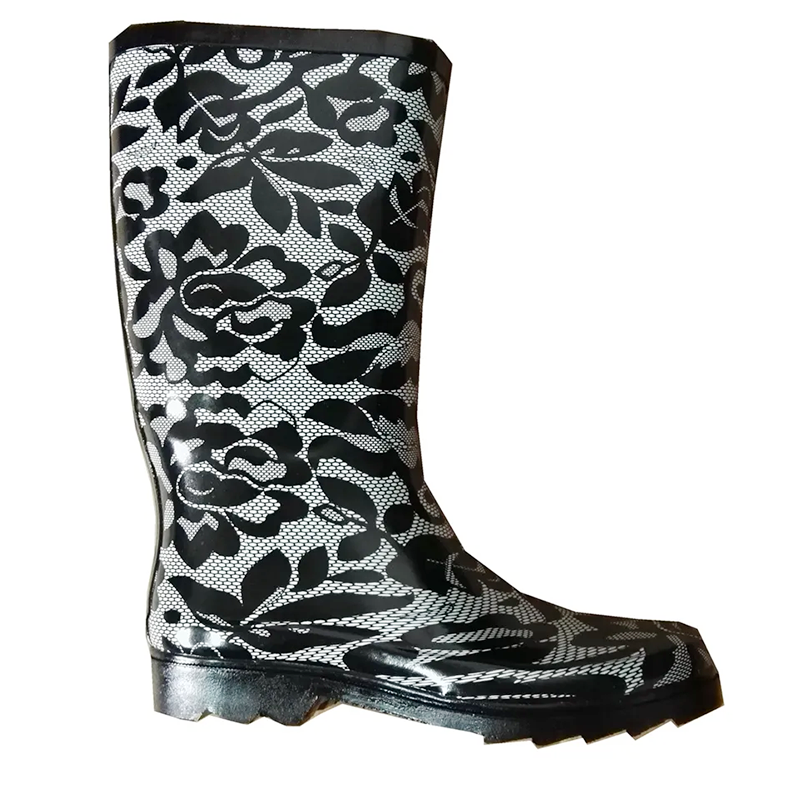
Neoprene, scientifically known as polychloroprene, belongs to a family of synthetic rubbers produced by the polymerization of chloroprene. Originally developed in the 1930s as an oil-resistant alternative to natural rubber, it gained global recognition as the primary material for aquatic wetsuits. Today, advanced polymer engineering has successfully adapted it for premium outdoor and industrial footwear.
The defining characteristic of footwear-grade neoprene is its microscopic closed-cell foam structure. During manufacturing, nitrogen gas is injected into the synthetic rubber compound, creating millions of microscopic, independent bubbles trapped within the material matrix. Because these cells are closed and do not interconnect, water cannot pass through them. This renders the material inherently waterproof while providing a unique, sponge-like elasticity.
The adaptation of this material into the footwear market solved many of the ergonomic issues associated with traditional rigid boots. The trapped nitrogen gas bubbles act as a highly efficient thermal barrier. They actively reflect the body's natural heat inward while blocking biting external winds. Thicknesses ranging from 3mm to 7mm allow OEMs to rate boots for sub-zero environments without requiring bulky secondary linings.
Building on this thermal efficiency, neoprene is incredibly flexible. It stretches in four directions to accommodate different calf sizes and conforms tightly to the ankle. This snug fit prevents irritating heel slippage, reduces blister formation, and moves naturally with human biomechanics. Moreover, its foam-like structure makes it significantly lighter than solid vulcanized rubber, drastically reducing physical exhaustion during long hikes.
While highly comfortable and warm, this material is not invincible. The soft exterior of raw neoprene is vulnerable to slicing and puncturing from sharp briers, barbed wire, or jagged industrial metal. For this reason, footwear OEMs almost always reinforce the high-wear lower portion of the boot with a protective rubber overlay.
Furthermore, the excellent thermal retention becomes a severe liability in summer climates. Wearing thick neoprene in hot weather quickly causes dangerous levels of overheating. Lastly, while standard neoprene resists mild oils, its foam structure degrades or delaminates faster than specialized solid rubbers when continuously exposed to harsh industrial solvents.
To assist B2B buyers and OEM product developers in making data-driven sourcing decisions, we must compare these materials directly across critical performance metrics. Your final choice will ultimately dictate the end-use application and market success of the footwear.
Performance Metric | Vulcanized Rubber | Closed-Cell Neoprene |
|---|---|---|
Abrasion Resistance | Exceptional. Easily deflects sharp rocks and jagged metal. | Moderate. Prone to tearing on barbed wire without overlays. |
Thermal Insulation | Poor. Requires thick synthetic linings for winter use. | Superior. A 5mm layer comfortably sustains sub-zero temperatures. |
Flexibility & Fit | Rigid. Does not stretch to accommodate wide calves. | Dynamic. Four-way stretch provides a custom, blister-free fit. |
Chemical Defense | High. Resists animal fats, petroleum, and agricultural acids. | Low to Moderate. Swells or degrades under harsh solvents. |
Weight Profile | Heavy. Can cause leg fatigue during prolonged shifts. | Lightweight. Sponge-like structure reduces physical exertion. |
When shifting focus from consumer outdoor gear to B2B industrial applications, the criteria for material selection become strictly regulated. Safety managers, construction firms, and agricultural enterprises require footwear that complies with rigorous occupational safety standards.
In environments such as oil refineries and commercial abattoirs, footwear is constantly exposed to corrosive substances and petroleum-based fluids. Synthetic rubber compounds are explicitly engineered to withstand these exact hazards without swelling or losing structural integrity. The non-porous nature of rubber also allows for the molding of highly complex, aggressive outsole lug patterns that provide superior slip resistance on slick concrete.
While neoprene is suitable for cold-weather construction, its softer composition makes it less ideal for direct exposure to heavy industrial chemicals. For brands looking for modern, lightweight alternatives that still offer excellent chemical resistance, incorporating TPE boots, made from Thermoplastic Elastomer, into your OEM lineup is an increasingly popular and cost-effective strategy.
For footwear to be classified as legitimate, heavy-duty waterproof work boots, they must meet ASTM F2413 or EN ISO 20345 standards for impact resistance. During the OEM manufacturing process, steel-toe caps and flexible puncture-resistant midsole plates, frequently woven from Kevlar, are built directly into the lower chassis of the boot.
Because rubber possesses higher structural rigidity, it is generally easier to anchor heavy steel toes securely within a rubber shell without them shifting under impact. When utilizing neoprene for industrial work boots, manufacturers will universally utilize a heavily vulcanized rubber lower shell to house the safety hardware, leaving the neoprene strictly for the upper shaft to provide calf flexibility.
To successfully develop an OEM footwear line, brands must align their material choices with the specific, real-world scenarios their target audience will face. Understanding these environmental demands dictates whether rubber, neoprene, or a combination of both will dominate your market sector.
In the commercial fishing industries, both materials play distinct roles. Imagine a commercial deckhand pulling a twelve-hour shift in freezing rain; for them, solid rubber deck boots are the standard. The rubber provides necessary slip resistance on wet decks and is easily sanitized. Conversely, for anglers wading deep into freezing rivers, neoprene chest waders provide the critical thermal insulation required to prevent hypothermia while submerged.
Hunters face a complex set of environmental challenges. For early-season hunts in muddy, swampy terrain, unlined rubber is preferred due to its absolute scent control and resistance to thorns. However, for late-season stationary hunting, thermal retention becomes the absolute priority. Here, heavy-duty neoprene boots are favored, keeping the hunter's feet warm during long periods of inactivity.
The agricultural environment is arguably the most punishing test for waterproof footwear. Farmers deal with deep mud, abrasive barnyard concrete, sharp tools, and highly corrosive livestock waste. In this scenario, traditional solid rubber remains the undisputed king. The ease of sanitizing solid rubber, combined with its resistance to the ammonia found in animal environments, makes it far superior to full-neoprene designs.
For the general consumer market, including urban commuters and children, extreme chemical resistance is entirely unnecessary. Consumers in this segment prioritize lightweight comfort, vibrant aesthetics, and ease of use. A waterproof neoprene rubber rain boot for kids shines perfectly here. Neoprene handles allow children to easily pull their boots on without assistance, while the flexible upper prevents chafing against the calf during active play.
The construction of a hybrid boot is an engineering marvel for OEM brands. It features a molded rubber lower shell that encases the foot, heel, and toe. This bottom half provides the necessary puncture resistance and structural support needed for rugged terrain or industrial safety toes.
The upper shaft, however, is constructed entirely of premium closed-cell neoprene. This hybrid approach eliminates the clumsy, stiff feeling of traditional rain boots while maintaining absolute protection where it matters most. From a consumer standpoint, hybrid designs offer unmatched versatility. The neoprene upper can easily be rolled down during warmer weather to vent heat, making them a favorite for hikers and casual outdoor workers who demand multi-season functionality.
For B2B buyers and footwear brands looking to launch or expand their product lines, selecting the right material mix and manufacturing partner is the difference between a best-seller and a costly recall.
When planning your budget, it is important to note that basic injection-molded rubber or PVC boots are generally the most cost-effective to produce at scale. This makes them ideal for entry-level industrial or promotional markets. Premium neoprene and hybrid models require more complex manufacturing processes, including precision stitching, seam taping, and manual vulcanization bonding. While the unit cost is higher, hybrid boots command a significantly higher retail price margin.
Neoprene offers incredible aesthetic flexibility for OEM brands. The nylon or polyester fabric laminated to the outside of the foam can be sublimated with high-definition custom camouflage patterns, vibrant brand colors, or corporate logos. Additionally, brands can specify varying neoprene thicknesses, such as 3mm for temperate spring collections or 7mm fleece-lined variants for extreme winter lines.
Developing a reliable footwear line requires an OEM supplier with stringent quality control protocols. Look for manufacturing partners that conduct rigorous underwater leak testing, flex-fatigue testing, and possess necessary international material certifications. A diverse product catalog and the ability to seamlessly integrate safety hardware, such as composite toes and puncture plates, are critical indicators of a mature manufacturing facility ready to scale your brand.
Ultimately, the choice between rubber and neoprene comes down to the specific environment your customers operate in. Rubber delivers ultimate durability and chemical resistance, neoprene provides exceptional warmth and flexible comfort, and hybrid designs offer versatile, multi-season outdoor use. If you are ready to upgrade your product line, browse our extensive catalog at GW Boots. Whether you need heavy-duty industrial protection or lightweight outdoor designs, we have the manufacturing capabilities to bring your vision to life. Contact our engineering team today to discuss custom OEM solutions and secure your market advantage.
Yes, high-quality closed-cell neoprene is naturally waterproof because its microscopic bubbles do not let water pass through. However, the seams must be properly sealed, taped, or blind-stitched during the manufacturing process to prevent any water from leaking through the needle holes.
Standard unlined rubber boots offer very poor thermal insulation and will leave your feet freezing in the snow. If you intend to use them for winter work, the boots must be heavily lined with materials like fleece, wool, or Thinsulate, or you should opt for a neoprene-lined hybrid boot designed specifically for cold weather.
The best choice depends entirely on the style of your hunt. Solid rubber is superior for scent control because it does not absorb human odors, making it ideal for stalking game with keen noses. Neoprene, on the other hand, is much better for sitting stationary in cold weather due to its thermal retention, and it is quieter when brushing against vegetation.
Rubber boots are incredibly low maintenance; they can simply be hosed off with water and wiped dry. Neoprene requires a bit more care. You should rinse the fabric exterior with fresh water to remove abrasive mud, occasionally wash them with mild soap to prevent bacterial odor buildup, and always let them air-dry naturally away from direct, intense heat sources.
They are excellent for cold, wet outdoor jobs like winter farming, landscaping, or general construction. However, for hazardous industrial environments involving heavy chemicals, corrosive oils, or extreme puncture risks from scrap metal, traditional heavy-duty rubber or specialized thermoplastic boots are significantly safer and more compliant with strict occupational standards.
The lifespan heavily depends on the specific polymer blend and the working environment. High-grade vulcanized synthetic rubber boots used in standard construction or agriculture can easily last one to three years. In highly corrosive chemical environments, the lifespan may be shorter, requiring regular safety inspections to ensure the structural integrity of the boot remains uncompromised.
Yes, minor punctures and tears in the neoprene shaft can be effectively repaired. Users can apply specialized urethane adhesives or neoprene patch kits designed for wetsuits. These sealants cure into a flexible, waterproof rubber patch, extending the life of the footwear without compromising its dynamic stretch capabilities.


