

Views: 0 Author: Site Editor Publish Time: 2026-08-28 Origin: Site


Stepping into deep powder wearing the wrong footwear ruins your day almost instantly. Purchasing improper winter gear usually results in freezing, wet feet. You might also experience unnecessary fatigue from dragging overly heavy materials across the ice. You need a reliable solution solving specific environmental demands. The ideal choice bridges the gap between your local weather variables and your physical activity level. Movement dictates whether you need heavy insulation or breathable layers to prevent sweating. Extreme cold requires completely different footwear than a mild, slushy afternoon in the city.
This guide breaks down the critical structural differences in winter footwear. We translate confusing technical specifications into real-world performance metrics you can actually use. You will discover a clear framework to evaluate which category warrants your investment. By understanding these components, you can confidently select gear keeping you warm, dry, and mobile all season long.
Activity dictates type: Traditional "pac boots" excel in deep snow and static activities, while winter hiking boots are required for mobility and trail use.
Ignore absolute temperature ratings: Comfort ratings are highly subjective; evaluate insulation weight (e.g., 200g vs. 400g) instead of marketing claims like "-40°F."
Waterproof vs. Water-Resistant: True snow performance requires a gusseted tongue and a waterproof membrane (like GORE-TEX), not just treated leather.
Outsoles matter most for ice: Look for soft rubber compounds with deep, multidirectional lugs designed specifically to grip below-freezing surfaces.
Choosing the right winter footwear begins with a realistic assessment of your daily environment. We categorize options based on the intersection of weather severity and user mobility. A model built for standing on a frozen lake will fail miserably during an aggressive hike. You must build your decision framework around your actual routine.
To pinpoint your exact needs, follow this simple decision framework:
Evaluate your local climate and average winter temperatures.
Identify your primary activity level (active versus static).
Determine the exact terrain you encounter most frequently.
The "Active vs. Static" principle drives this entire process. Human bodies generate massive amounts of heat during movement. If you wear heavily insulated snow boots while hiking, your feet will sweat. When you finally stop moving, that accumulated sweat freezes. This moisture drastically drops your core foot temperature. Active users need breathable membranes and lighter insulation. Static users, like photographers or ice fishers, require maximum thermal retention because they generate very little body heat.
You also face trade-offs between urban commuting and backcountry exploration. City streets demand aesthetic appeal and casual utility. Urban environments feature cleared sidewalks, light slush, and frequent indoor transitions. Backcountry scenarios require technical performance. You need tall shafts to block deep powder and aggressive lugs to grip unpredictable terrain. Balancing these needs helps you avoid buying excessive gear for simple tasks.
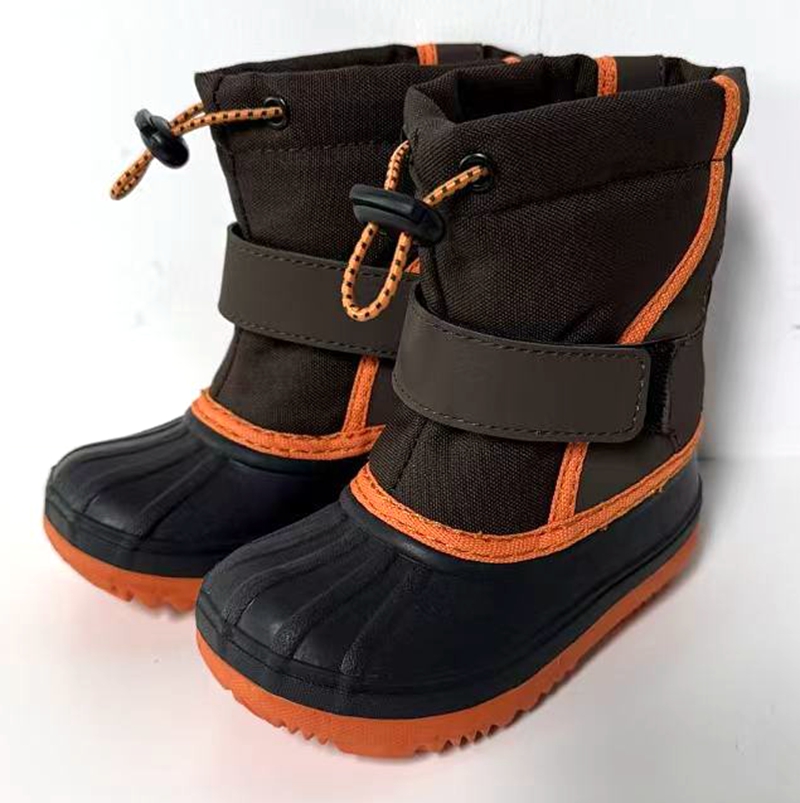
Table: Core Category Comparison Matrix
Category | Primary Architecture | Best Environment | Main Limitation |
|---|---|---|---|
Pac Boots | Thick rubber shell, removable felt liner | Deep drifts, static standing | Heavy, clunky, hard to drive in |
Winter Hiking Boots | Waterproof membrane, synthetic insulation | Active trails, snowshoeing | Lower shaft height allows entry |
Casual & Commuter | Leather upper, hidden weatherproofing | City walking, light slush | Rarely fully waterproof |
Minimalist/Barefoot | Zero-drop sole, wide toe box | Moderate depths, natural walking | Accelerated heat loss to ground |
Pac boots represent the classic image of winter survival gear. Their architecture relies on a thick rubber shell bottom securely attached to a leather or nylon upper. They usually feature a removable felt liner. This modular design allows you to dry the inner liner separately overnight.
These models excel in deep powder. They work perfectly for shoveling the driveway, ice fishing, and low-movement outdoor chores. The thick rubber shell provides an impenetrable barrier against standing water and slush.
However, pac boots carry significant limitations. They feel heavy and clunky on the foot. The oversized footprint makes them poor choices for driving vehicles. Walking long distances in them quickly drains your energy due to their sheer weight.
Winter hiking boots bridge the gap between athletic performance and thermal protection. Their architecture looks visually similar to standard hiking footwear. Manufacturers upgrade them using waterproof membranes and lightweight synthetic insulation. They feature supportive midsoles designed for forward momentum.
They are best for active winter use. You want these for snowshoeing, navigating winter trails, and extended walking. The supportive structure prevents foot and ankle fatigue during long excursions.
Their main limitation stems from their lower shaft height. This shorter profile leaves you vulnerable in deep environments unless you pair them with waterproof gaiters. They also contain less insulation, making them unsuitable for static standing in extreme cold.
Urban environments demand a different approach entirely. Casual and commuter styles focus heavily on aesthetics. You often see them as Chelsea styles or sleek leather lace-ups. They feature hidden weatherproofing treatments and much lighter insulation.
They shine during city walking and office commutes. When you navigate light slush from the train station to your desk, these models keep you presentable. Many men prefer these streamlined snow boots for seamless transitions between freezing streets and heated offices.
The limitations here center on technical capability. They are rarely fully waterproof. Most utilize water-resistant leather rather than sealed membranes. They also lack the aggressive traction needed to navigate sheer ice safely.
The barefoot movement has officially reached winter gear. This architecture features a zero-drop sole, a wide toe box, and highly flexible materials. These designs address a growing market demand for unrestricted foot mechanics.
They are best for users requiring natural foot movement. If you prioritize sensory feedback and encounter only moderate accumulations, they offer a uniquely comfortable experience.
Their limitations involve thermal physics. Closer ground contact accelerates conductive heat loss. The thin soles pull warmth directly away from your foot. To combat this, you usually need highly specialized thermal insoles to survive freezing temperatures.
Understanding technical jargon prevents costly purchasing mistakes. You must decode the materials to predict how footwear performs in the real world.
Brands measure synthetic insulation by weight in grams per square meter. This number dictates the thermal retention capacity. Let's break down the common metrics:
200g Synthetic: This serves as the baseline for high-output activities. It works perfectly for mild winter days or aggressive hiking where your body produces ample heat.
400g Synthetic: This remains the standard for reliable mid-winter warmth. It provides a balanced buffer for average outdoor chores and moderate temperatures.
800g+ Synthetic: Reserved for extreme, sub-zero conditions and entirely static activities.
Traditional materials like felt liners and shearling offer a different experience. Felt provides excellent initial warmth but compresses over time. Evaluating traditional versus synthetic lofting durability reveals that synthetics generally maintain their structural integrity longer under heavy use.
Water-resistant is not waterproof. True protection requires specific mechanisms. Membranes, like GORE-TEX or proprietary brand layers, function chemically. They block external liquid moisture while allowing internal sweat vapor to escape. This breathability prevents the internal freezing effect.
Construction details matter equally. You must inspect the footwear for seam-sealing. Unsealed stitches leak instantly in slush. Furthermore, the critical importance of gusseted tongues cannot be overstated. A gusseted tongue connects the tongue directly to the upper material. This continuous web blocks powder from entering over the top of the instep.
Your outsole acts as your only defense against gravity on ice. Standard rubber hardens and slips in freezing temperatures. As the thermometer drops, regular soles turn into rigid plastic. Winter footwear requires softer rubber compounds engineered specifically for the cold. Technologies like Vibram Arctic Grip incorporate microscopic fiberglass elements to bite into wet ice.
Lug patterns dictate how well the sole clears debris. Wide-spaced, deep lugs are absolutely necessary. They shed packed debris with every step you take. If lugs sit too close together, they trap slush. This creates a flat surface, instantly causing dangerous slips and falls.
You have seen the bold claims printed on boxes. Do not trust them blindly. A "Rated to -25°F" claim usually represents a survival rating, not a comfort rating. It means your toes will not succumb to frostbite at that temperature. It does not mean you will feel warm and cozy while waiting for a bus.
You must understand the transparent assumptions behind laboratory tests. Testing facilities assume the wearer is continuously active. They expect you to be walking briskly and generating maximum body heat. If you stand still, that temperature rating becomes entirely inaccurate.
Variables outside the footwear also heavily impact your thermal reality. Individual blood circulation plays a massive role. Some people simply run colder than others. Your sock choices also invalidate standardized box ratings. Wearing cotton socks traps moisture against your skin, guaranteeing cold feet regardless of the insulation. Always choose Merino wool for moisture management. Finally, wind chill slices through certain upper materials, drastically lowering the effective temperature you experience.
Buying the correct size involves more than matching your everyday sneakers. Sizing for thermal efficiency is crucial. Buying footwear too tight creates a dangerous chain reaction. Tight fits compress the internal insulation, destroying its ability to trap warm air. Worse, a tight fit restricts your blood flow. Restricted circulation leads directly to freezing toes, regardless of the insulation weight.
We recommend calculating the sock allowance before purchasing. You should generally order a half-size up to accommodate midweight Merino wool socks. This extra volume ensures your foot can flex naturally. Wiggling your toes generates micro-circulation, keeping your extremities warm. Many women prefer sizing up in ladies snow boots to guarantee enough room for specialized thermal socks.
You must also acknowledge weight penalties and fatigue. Wearing 3-5 pound pac models takes a serious physical toll on your hip flexors and knees. Factor this into your final purchasing decision. If you walk several miles daily, prioritize lighter synthetic options over heavy rubber shells.
Shortlisting your next steps requires strict parameters. Narrow down your options based on budget constraints and expected years of use. High-end synthetic materials cost more upfront but resist compression longer. When buying snow boots for growing children, prioritize waterproof construction over heavy insulation, as they will likely outgrow them within a single season.
Finding the perfect winter footwear demands a strategic approach rather than a purely aesthetic choice. Your final decision logic should follow a strict hierarchy. Always prioritize your primary activity type first. Next, calculate your exact insulation needs based on your local climate. Finally, consider aesthetics and style only after meeting the technical requirements.
Take immediate action by evaluating your specific local winter conditions today. Check your average January temperatures and typical accumulation levels. Once you establish these baseline facts, explore specific, top-rated models within your chosen category. Matching the right architecture to your daily reality guarantees a warmer, safer winter season.
A: Regular hiking boots lack adequate insulation for prolonged cold exposure. They also utilize standard rubber compounds. This standard rubber hardens in freezing temperatures, causing severe traction loss on ice. You need specialized footwear built with softer rubber and insulated linings for winter environments.
A: They offer unmatched convenience for quick errands. However, they lack structured ankle support for uneven terrain. Slip-on designs also cannot seal tightly around the calf. This allows deep powder to enter easily. They work well for shoveling driveways but fail in backcountry scenarios.
A: High-quality footwear typically lasts between five and ten winter seasons. Longevity depends heavily on usage frequency. Rubber outsoles eventually degrade and lose grip. Synthetic insulation compresses over time, reducing overall thermal efficiency. Replacing them becomes necessary once you notice cold spots or slick soles.
A: Industry terminology separates these categories by function. Snow-specific footwear features high waterproof shafts, heavy rubber shells, and deep traction meant for wading through drifts. Winter footwear is a broader catch-all term. It includes casually insulated fashion styles suitable only for cleared, chilly city streets.


